Clostridium tetani


TAXONOMY

  • Domain: Bacteria

  • Phylum: Bacillota

  • Class: Clostridia

  • Order: Eubacteriales (Clostridiales)

  • Family: Clostridiaceae

  • Genus: Clostridium

  • Species: C. tetani

MORPHOLOGY

  • Slender, Gram‑positive rods typically 0.5 µm wide and up to 2.5 µm long.

  • Obligate anaerobe; cannot grow in the presence of oxygen.

  • Motile via peritrichous flagella, which are shed during sporulation.

  • Forms a single terminal spore that gives the cell a distinctive “tennis‑racket” or “drumstick” shape.

  • Spores are extraordinarily hardy, resisting heat, antiseptics and boiling; they persist for years in soil and animal intestines worldwide.

  • Vegetative cells stain Gram positive in fresh culture but may become Gram variable as they form spores.

NOTABLE TRAITS

  • Causative agent of tetanus, a disease characterized by painful muscle spasms and “lockjaw.” Infection occurs when spores contaminate a wound and germinate under anaerobic conditions.

  • Produces two toxins: tetanospasmin (tetanus toxin), one of the most potent toxins known (lethal dose <2.5 ng/kg), and tetanolysin, a hemolysin with unclear function.

  • Tetanospasmin blocks the release of inhibitory neurotransmitters glycine and GABA at motor nerve endings, causing sustained muscle contraction and autonomic dysfunction.

  • Spores are ubiquitous in soil, dust and animal feces and are not transmitted person‑to‑person; infection arises from contaminated wounds.

  • Tetanus is preventable through vaccination; inactivated tetanospasmin (tetanus toxoid) is a core component of DTP/DTaP vaccines worldwide
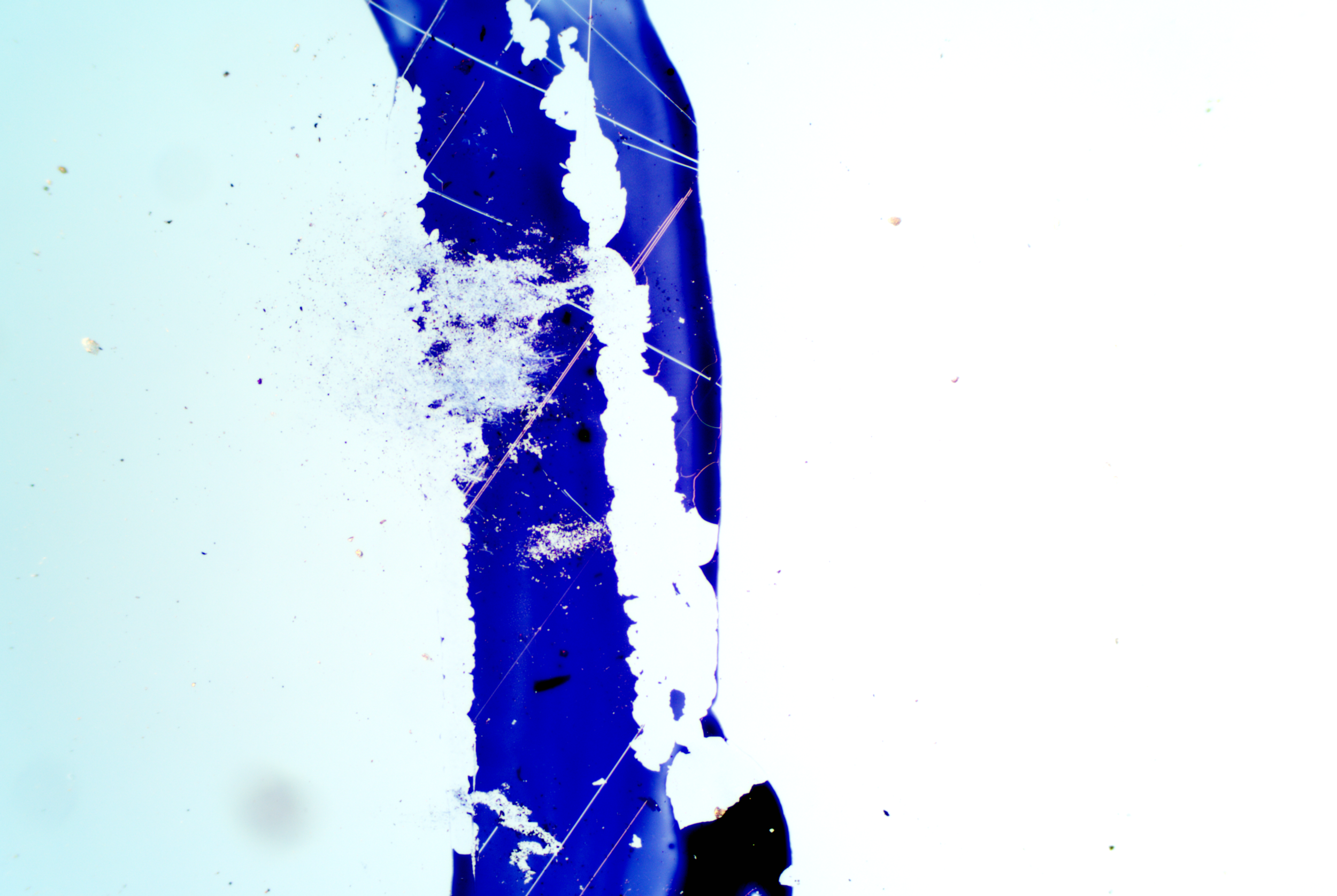
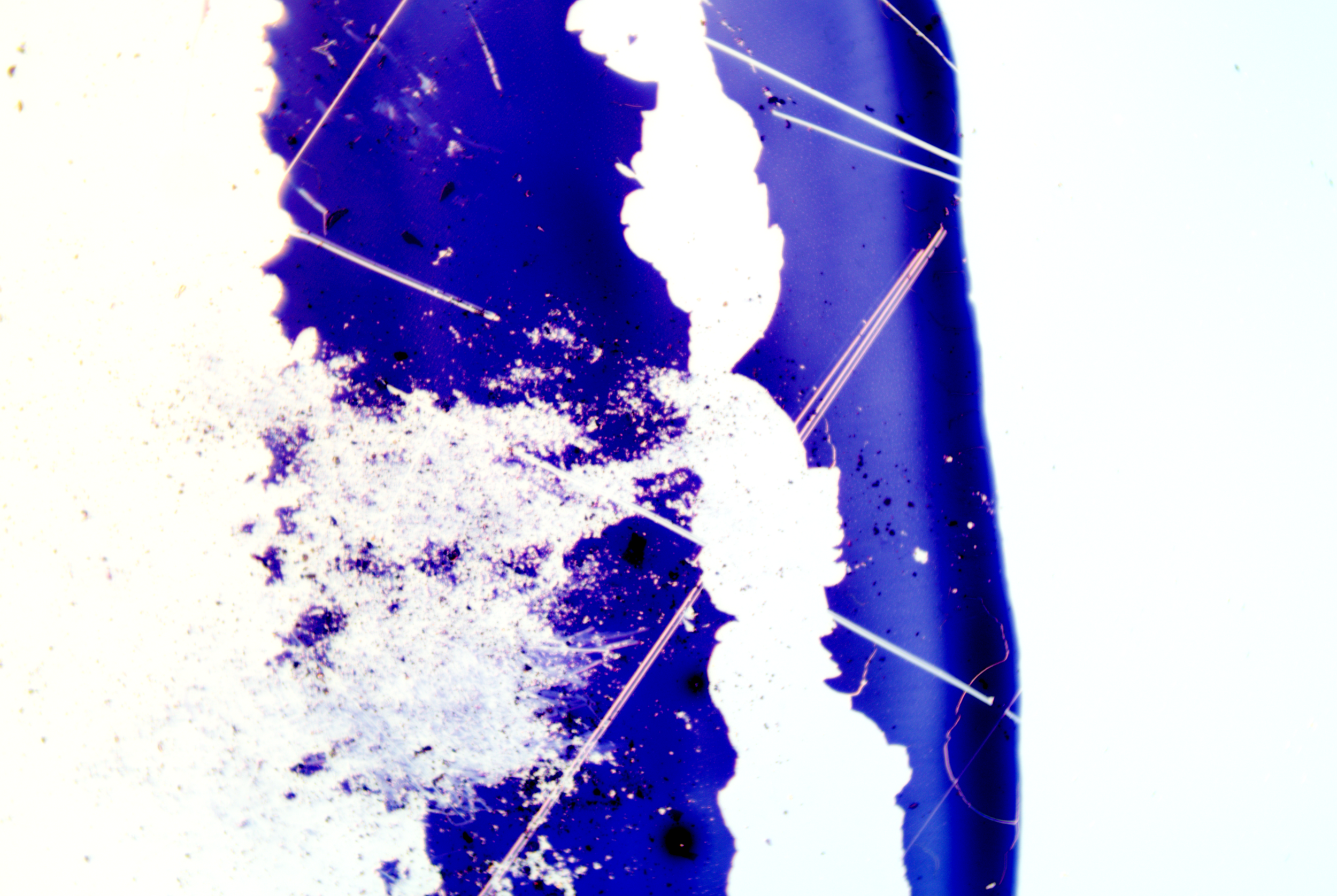
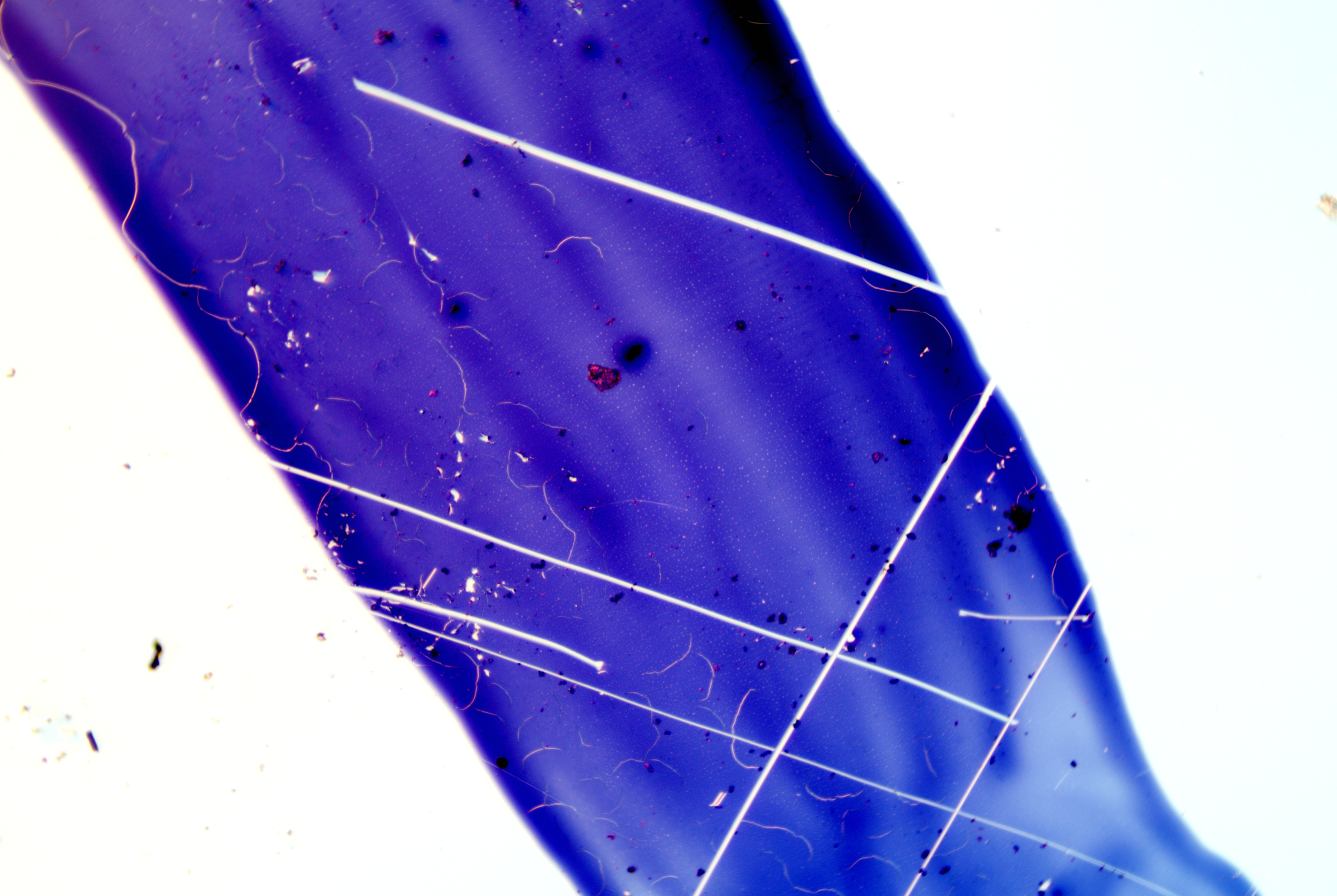
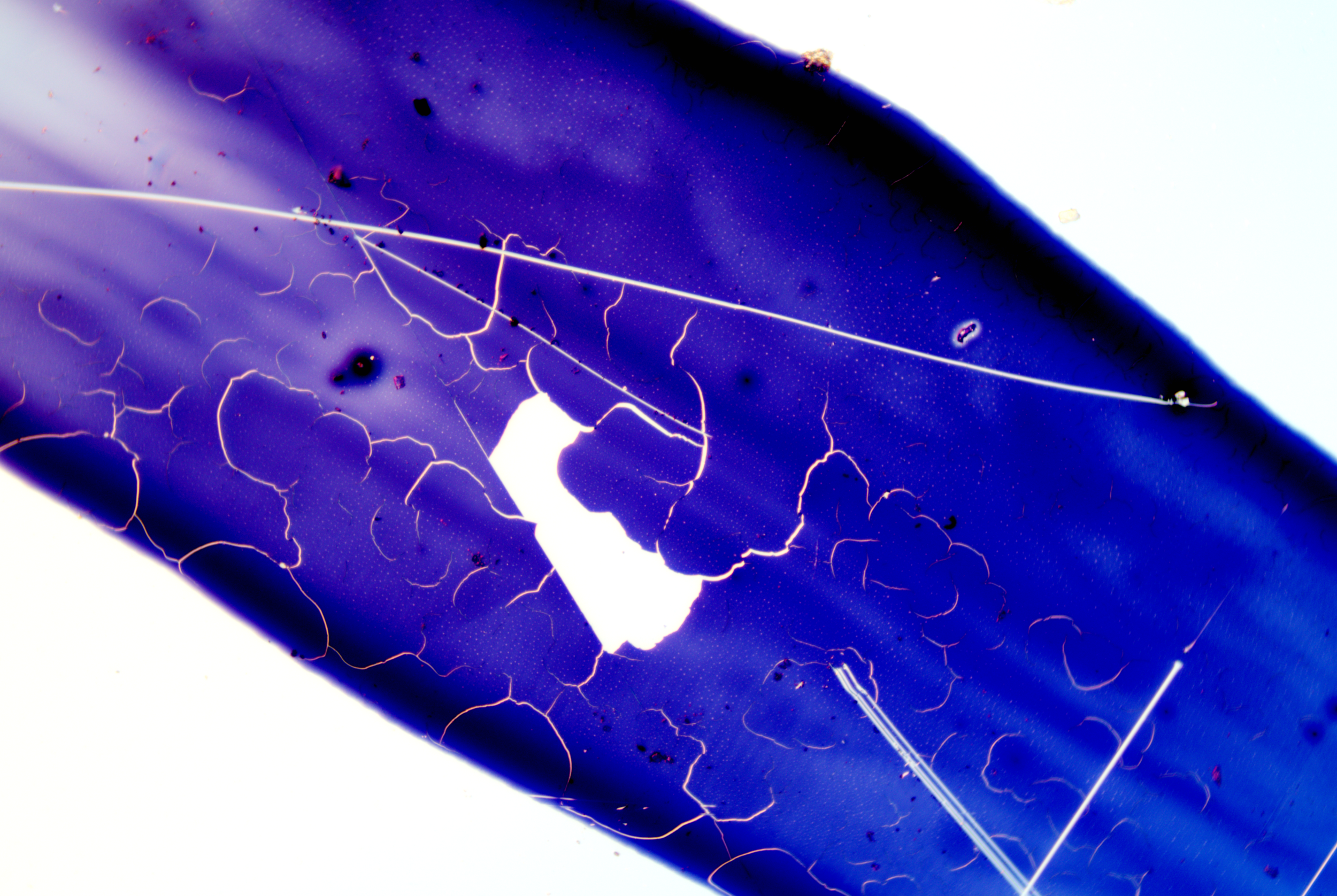
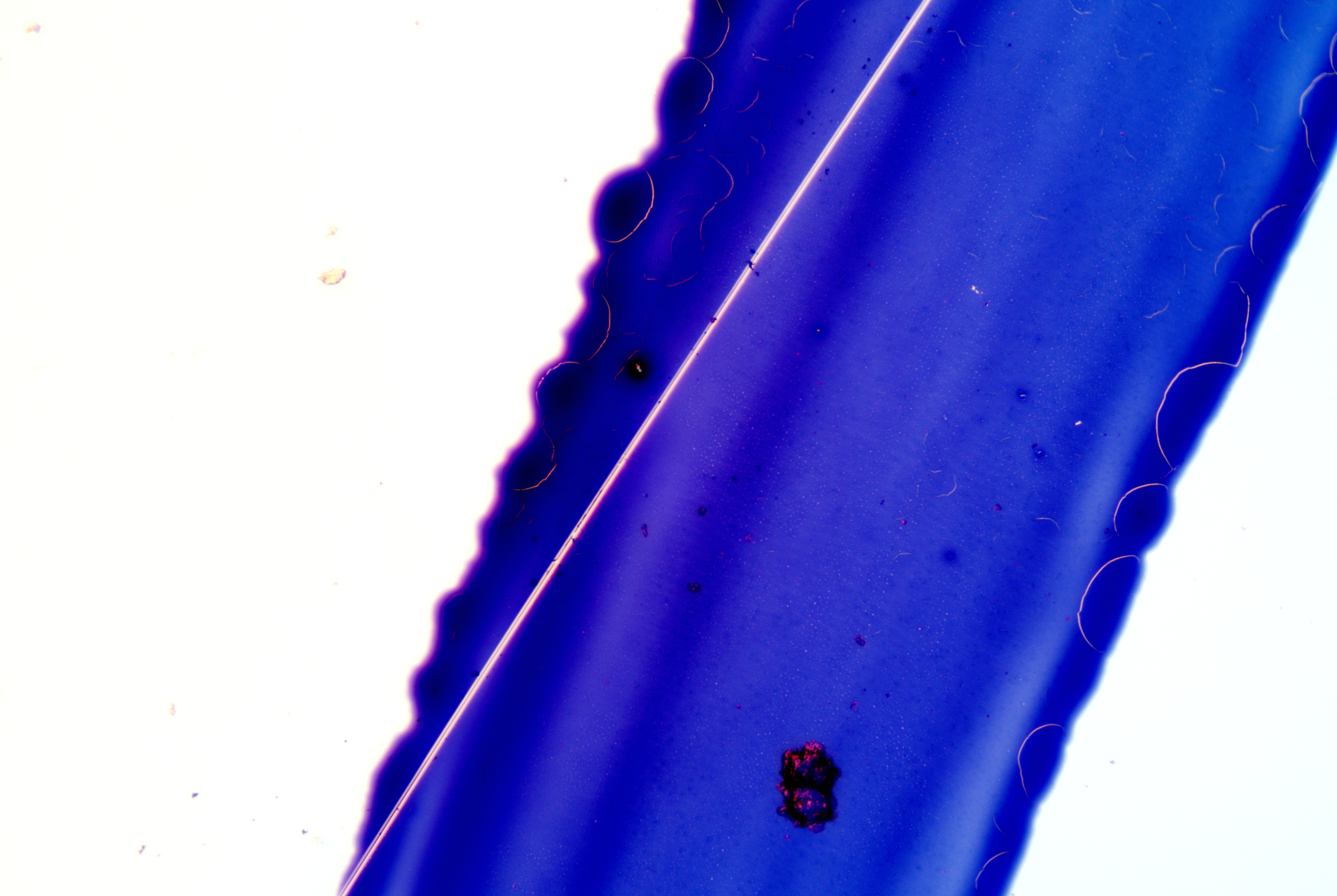
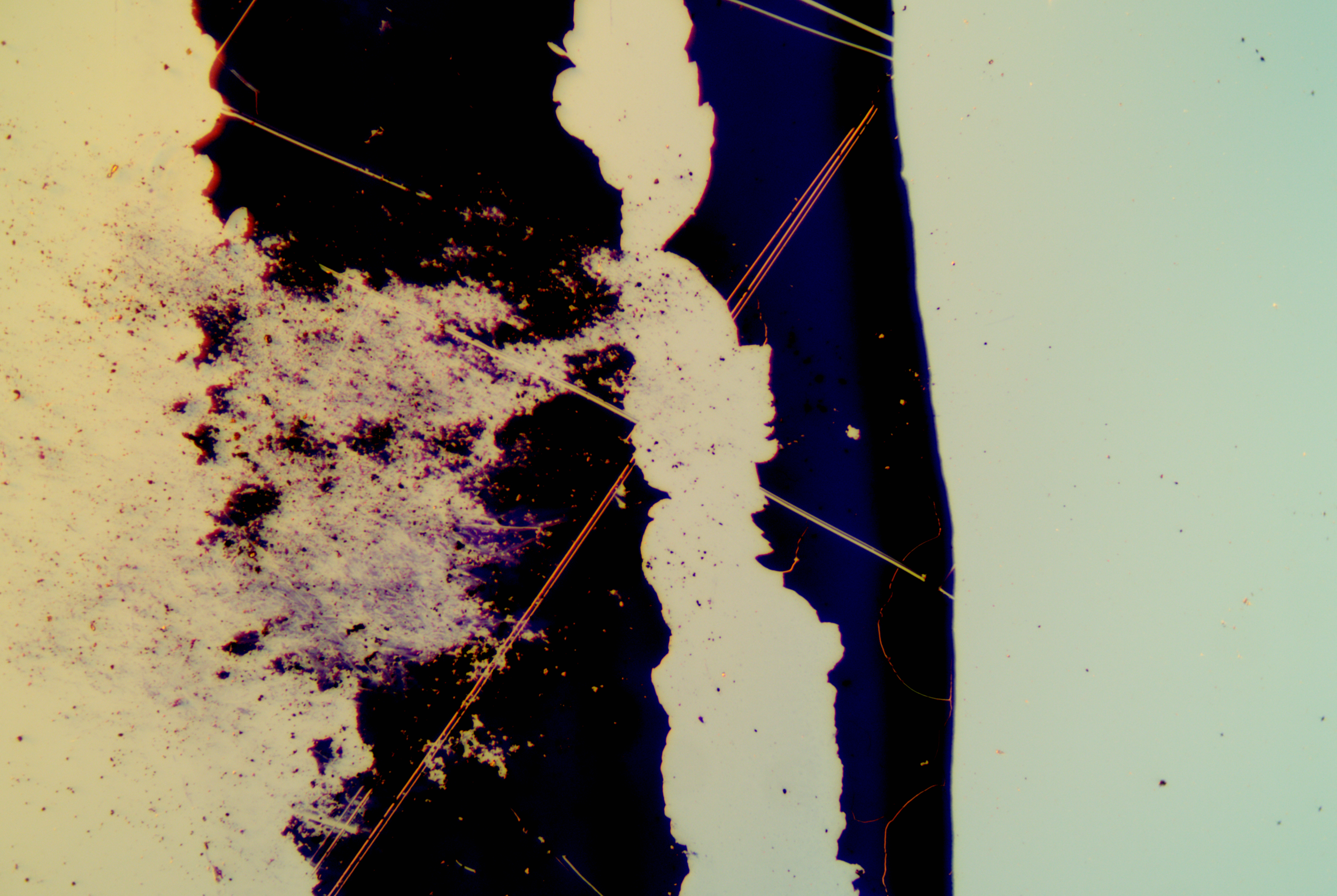
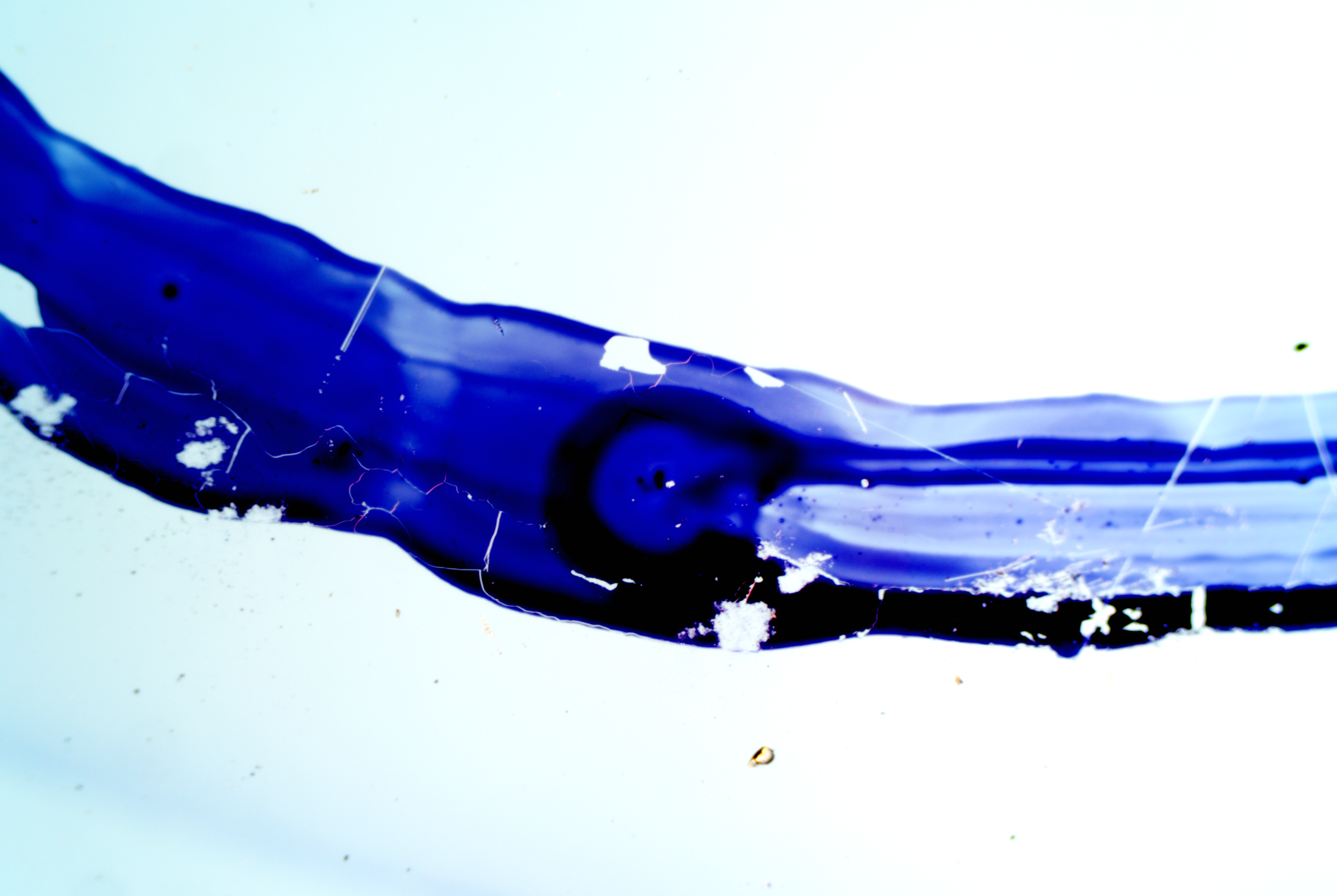
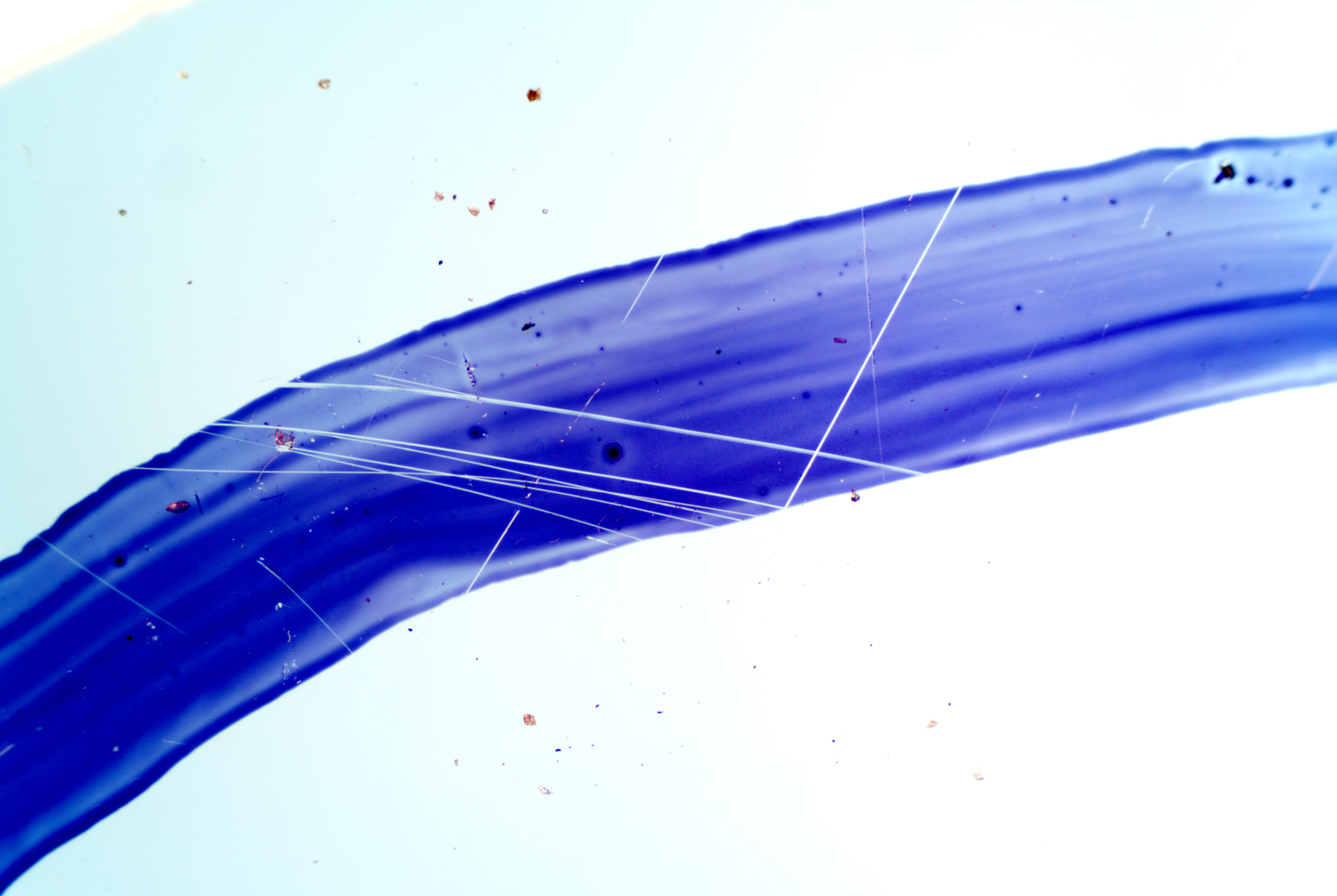
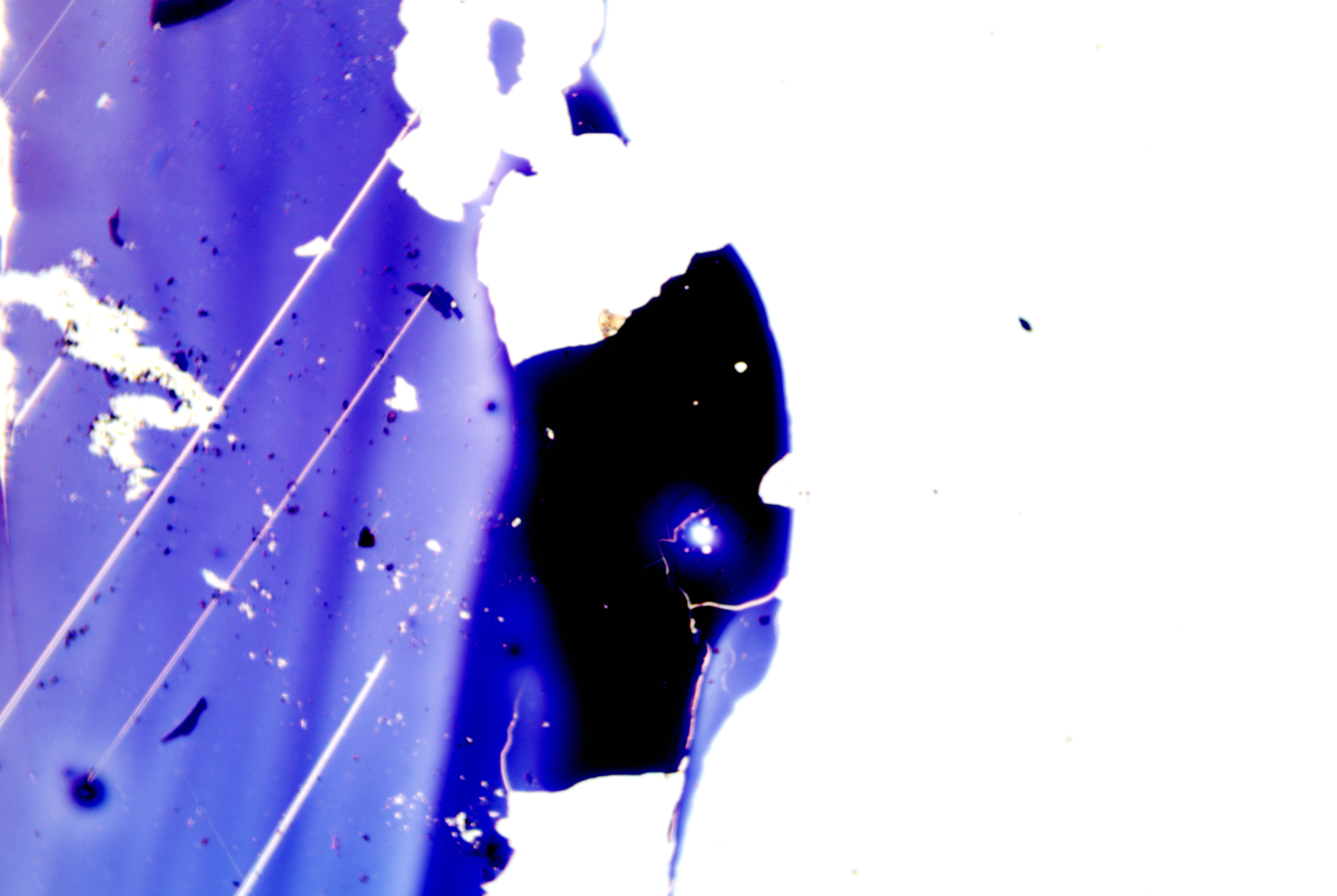
Seen through a microscope, Clostridium tetani looks almost delicate—slim rods with a glassy terminal swelling that evokes a tennis racket or drumstick. Each cell is tiny (about half a micron wide and a few microns long) and wrapped in a Gram‑positive cell wall. In the absence of oxygen, the rods sprout peritrichous flagella and swim through their environment.

When threatened, however, the bacterium retracts its flagella and lays down layers of protective material at one end, forming a single, oval spore. This transformation yields the unmistakable “tennis‑racket” shape that microbiologists learn to recognize.

These spores are marvels of resilience: they shrug off boiling water, household disinfectants and even many antiseptics. Carried in soil, dust and animal guts, they can lie dormant for years and awaken only when thrust into a wound where oxygen is scarce. Once germinated, the vegetative cells multiply locally, but the real danger comes from the exotoxins they release as they lyse.

Chief among these is tetanospasmin, a neurotoxin with a lethal dose measured in nanograms. After entering the bloodstream and lymphatics, tetanospasmin is transported retrogradely along motor neurons into the spinal cord and brainstem.

There it cleaves proteins essential for releasing the inhibitory neurotransmitters glycine and gamma‑aminobutyric acid (GABA), unbalancing motor control and causing the muscles to contract in painful spasms.

Victims develop trismus (“lockjaw”), a sardonic grin and progressive rigidity that can be fatal without intensive care.

The story of C. tetani is also entwined with the birth of modern immunology. In 1889, Japanese bacteriologist Shibasaburo Kitasato succeeded in cultivating the tetanus bacillus in pure culture and soon identified its antitoxin. Working with Emil von Behring, he showed that antibodies from immune animals could neutralize the toxin and protect others—a discovery that led to serum therapy and the first Nobel Prize in Medicine.

Their work laid the foundation for the tetanus toxoid vaccine, which is now administered worldwide and has turned tetanus from a common scourge into a preventable disease. Today, even as this bacterium continues to lurk in soil and within us, our understanding of its biology and the artful images captured here remind us of how science transformed a lethal pathogen into a chapter of medical history.

Previous
Previous

Bacillus anthracis