
Streptococcus pyogenes
TAXONOMY
Domain: Bacteria
Phylum: Bacillota (Firmicutes)
Class: Bacilli
Order: Lactobacillales
Family: Streptococcaceae
Species: Streptococcus pyogenes
MORPHOLOGY
Gram‑positive cocci in chains, catalase‑negative
Non‑motile, non‑spore‑forming; encapsulated with hyaluronic acid
β‑hemolytic on blood agar (complete red blood cell lysis)
Capable of biofilm formation, particularly in chronic or recurrent infections (well‑documented in GAS literature)
NOTABLE TRAITS
Facultative anaerobe (aerotolerant) thriving at ~35–37 °C; catalase‑negative
Virulence factors include M protein, streptolysins O & S, DNases, pyrogenic exotoxins (SpeA, SpeB), streptokinase, hyaluronidase
Usually penicillin‑sensitive; growing macrolide resistance via erm/mef genes (multiple surveillance studies ongoing)
Molecular mimicry by M protein contributes to immune evasion and post‑infectious sequelae


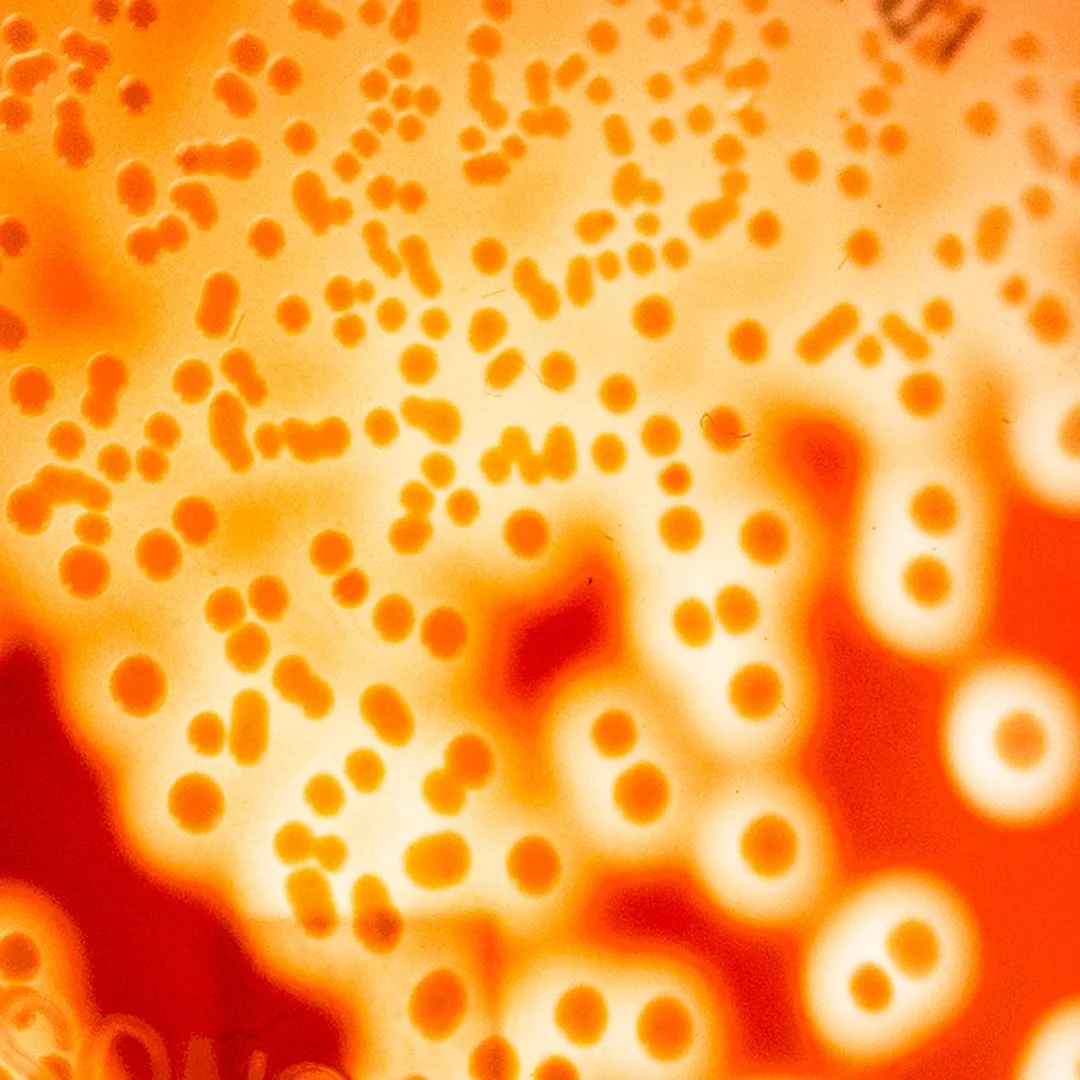


Seen through the microscope, Streptococcus pyogenes appears as delicate chains of spherical cells, each Gram-positive coccus linked like beads on a strand. These chains can stretch across the microscopic field, a simple geometry that belies the organism’s complex relationship with human health.
The bacterium belongs to the group known as Group A Streptococcus (GAS), organisms that commonly inhabit the throat and skin. For many people, the encounter is familiar and mild, manifesting as strep throat or superficial skin infections. Yet the biology of S. pyogenes is far from simple. Encased in a capsule made of hyaluronic acid and armed with a range of virulence factors such as M protein, streptolysins, and DNases, the bacterium possesses sophisticated tools for attaching to tissues, evading immune defenses, and spreading through host environments.
The scientific story of S. pyogenes began in the late nineteenth century during the early rise of bacteriology. German microbiologist Friedrich Fehleisen isolated streptococci from patients with erysipelas in 1883, helping establish a link between specific bacteria and specific diseases. His work contributed to the broader movement in microbiology that demonstrated how microorganisms could cause human illness, reinforcing the principles of germ theory that were reshaping medicine at the time.
Through the twentieth century, researchers uncovered the bacterium’s remarkable molecular strategies. One of the most studied features is M protein, a surface molecule that allows the organism to evade immune destruction while also playing a role in post-infectious immune complications. This phenomenon, known as molecular mimicry, can sometimes trigger immune reactions that affect the heart and joints, revealing the complex dialogue between pathogen and host.
Yet the history of Streptococcus pyogenes is also a story of scientific progress. The discovery and widespread use of penicillin in the 1940s transformed the treatment of streptococcal infections, turning conditions that once carried significant risk into illnesses that are now typically manageable with modern medicine.
Today, researchers continue to study S. pyogenes to understand its genetics, virulence mechanisms, and evolving antibiotic resistance patterns. This work is guiding new strategies for prevention and vaccine development while improving surveillance for emerging strains.
Under magnification, Streptococcus pyogenes appears as a chain of simple spheres. In the history of medicine, however, it represents an ongoing dialogue between microbes and human discovery—a reminder that understanding the microscopic world remains one of our most powerful tools for protecting health.