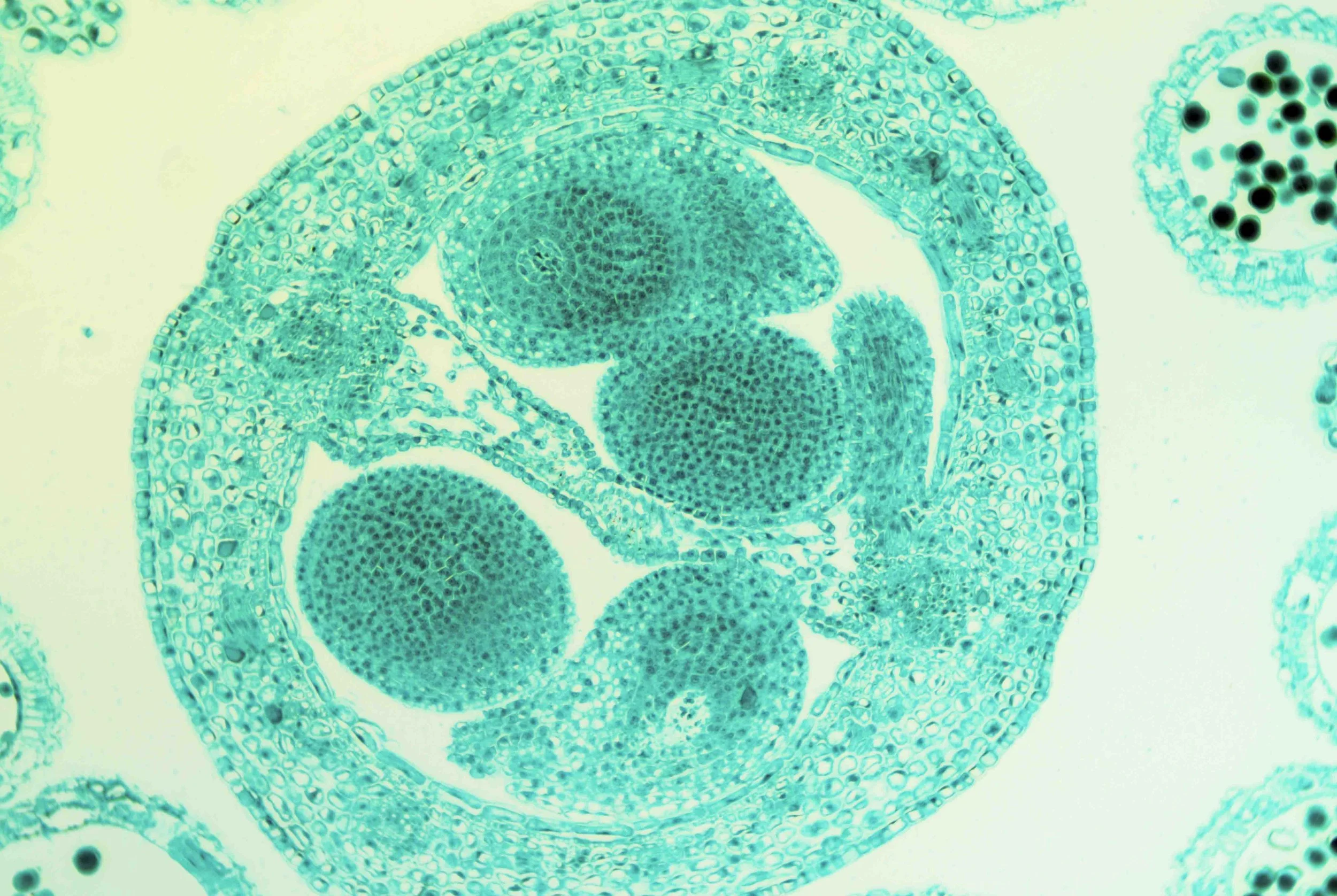
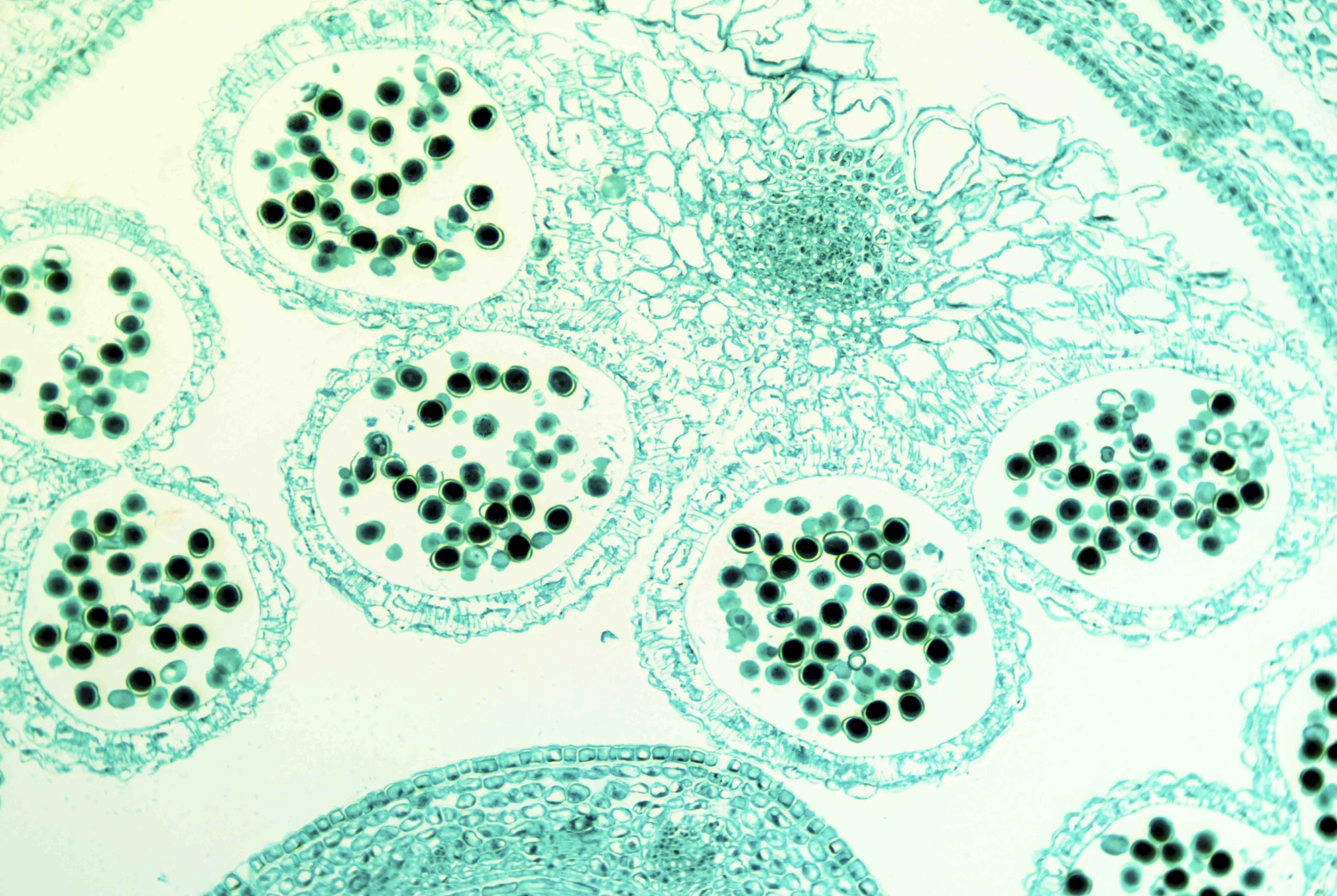
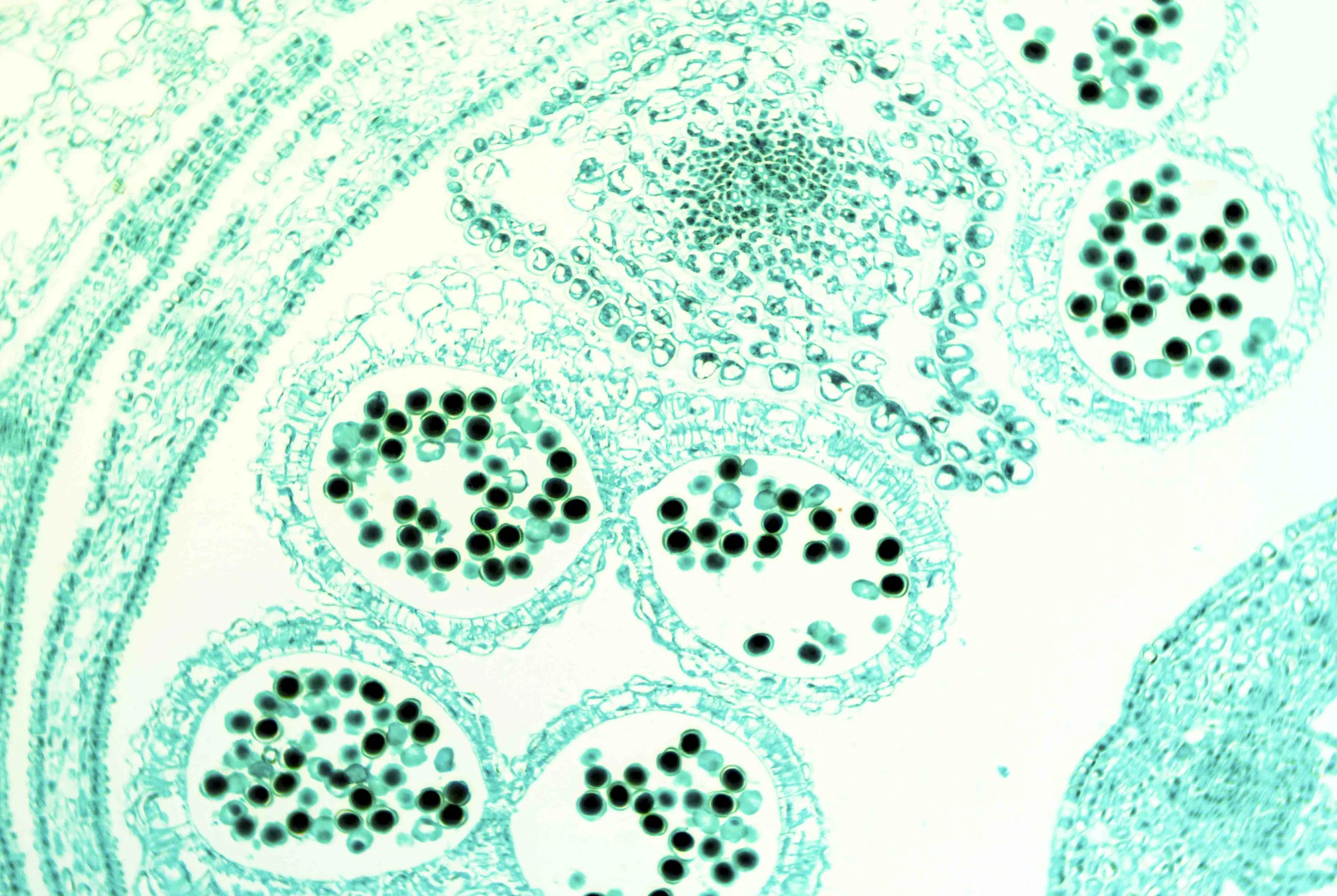
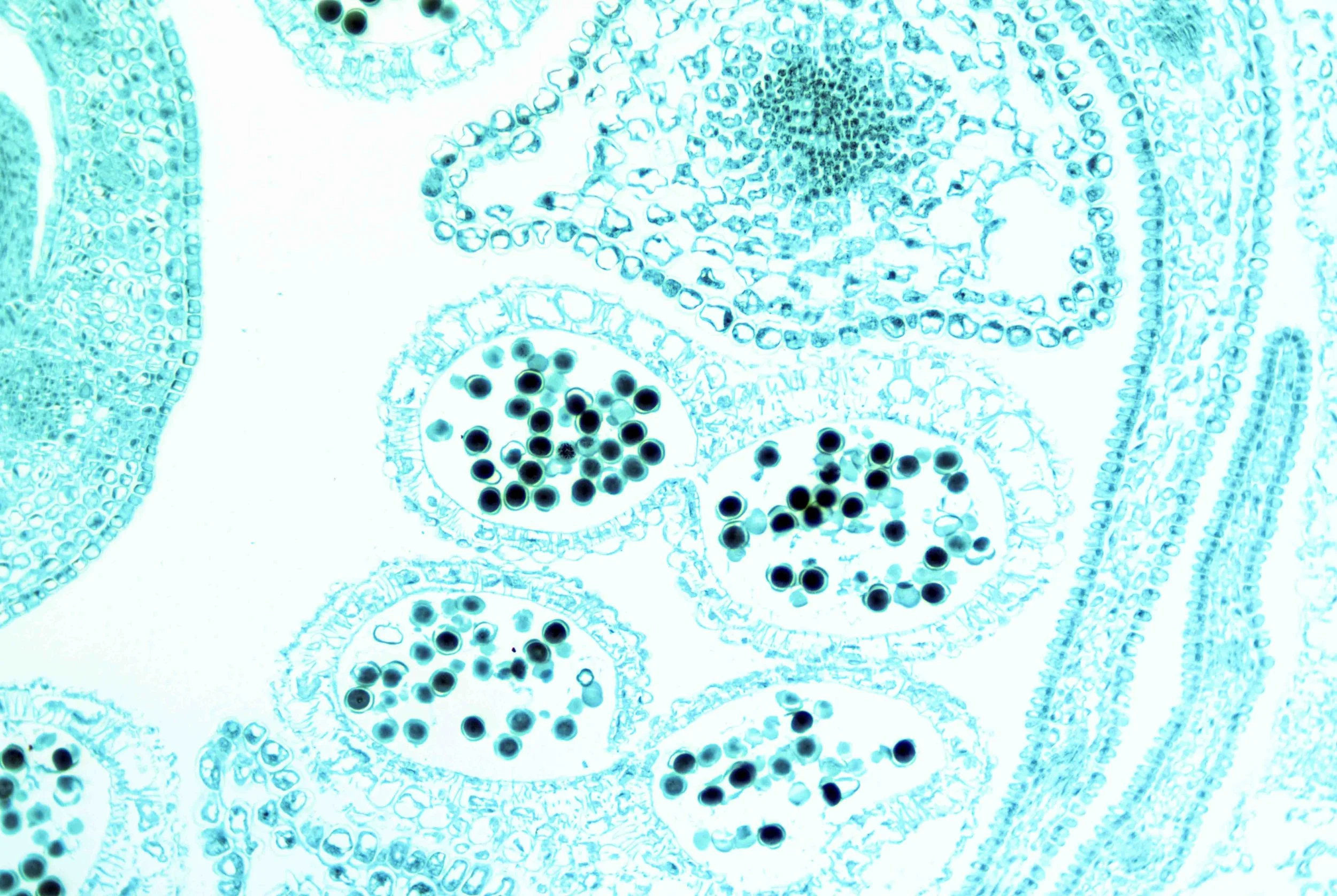
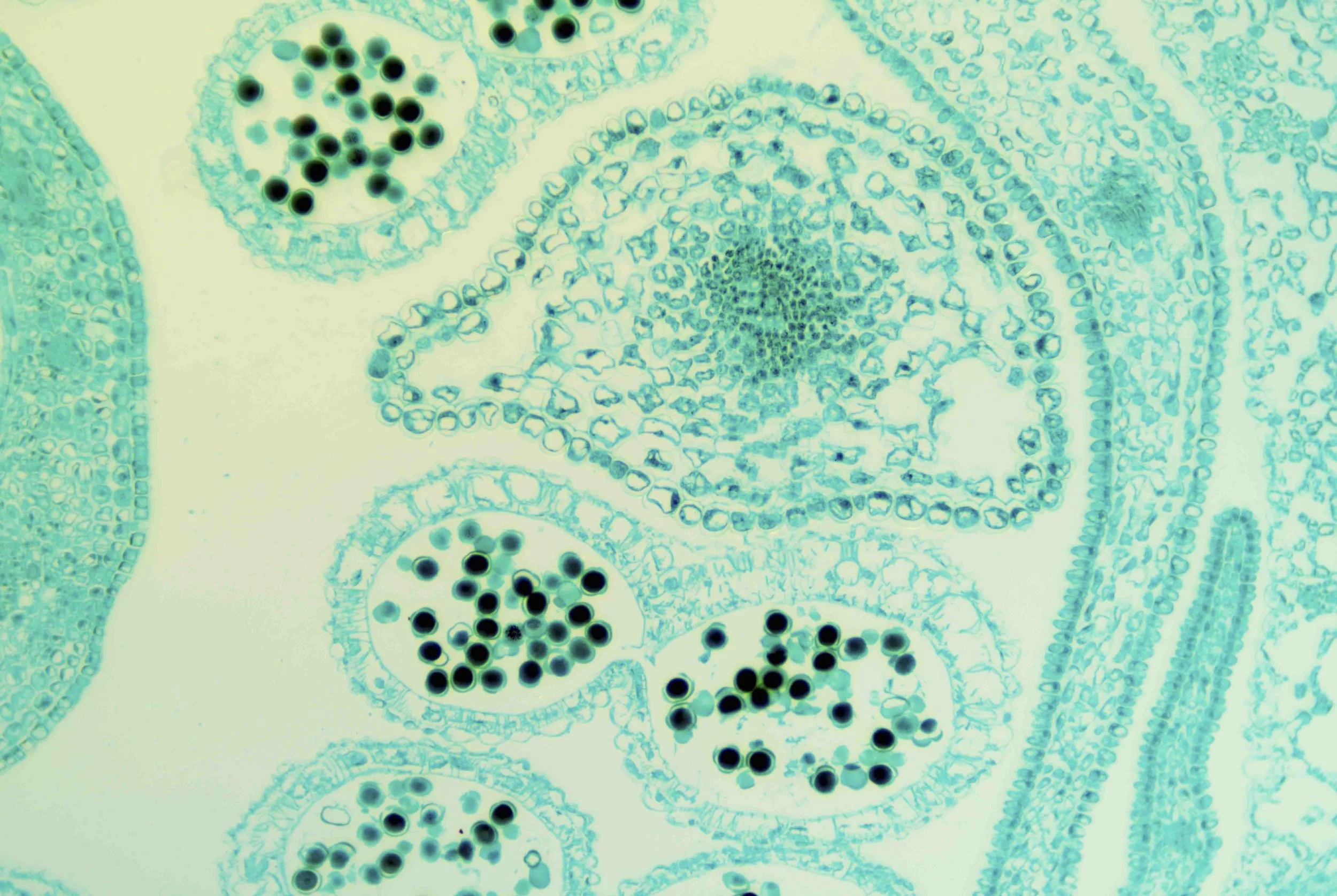
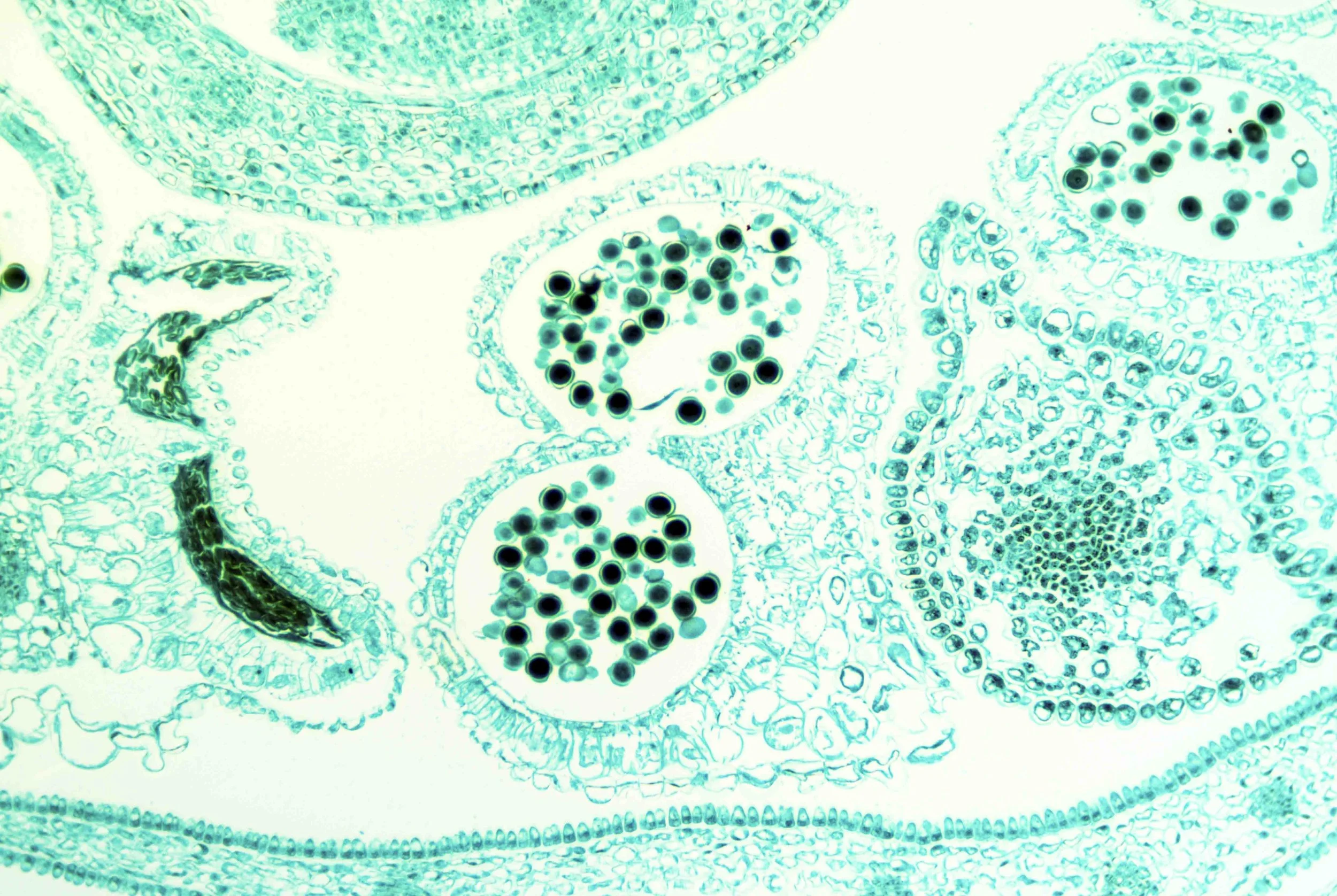
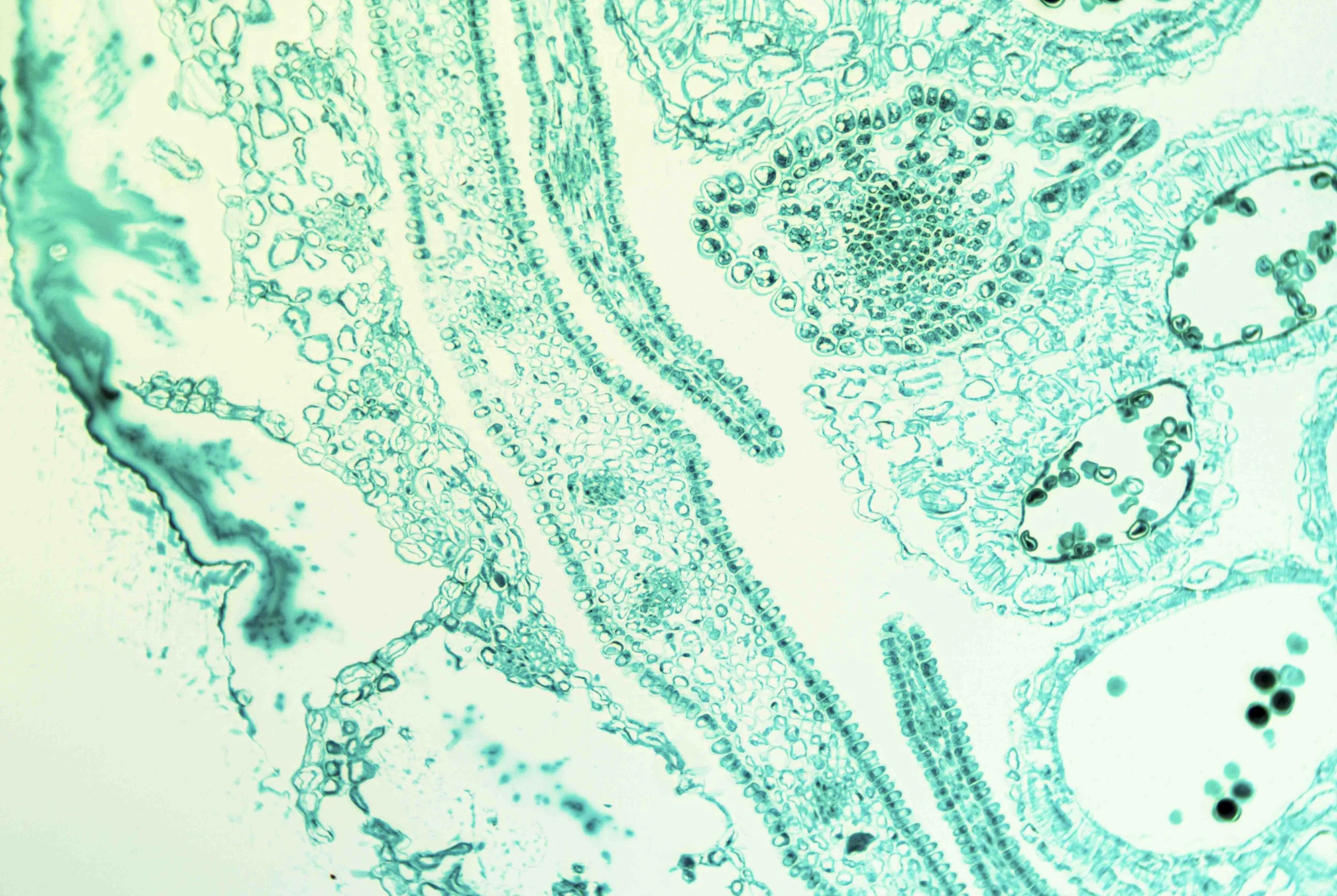
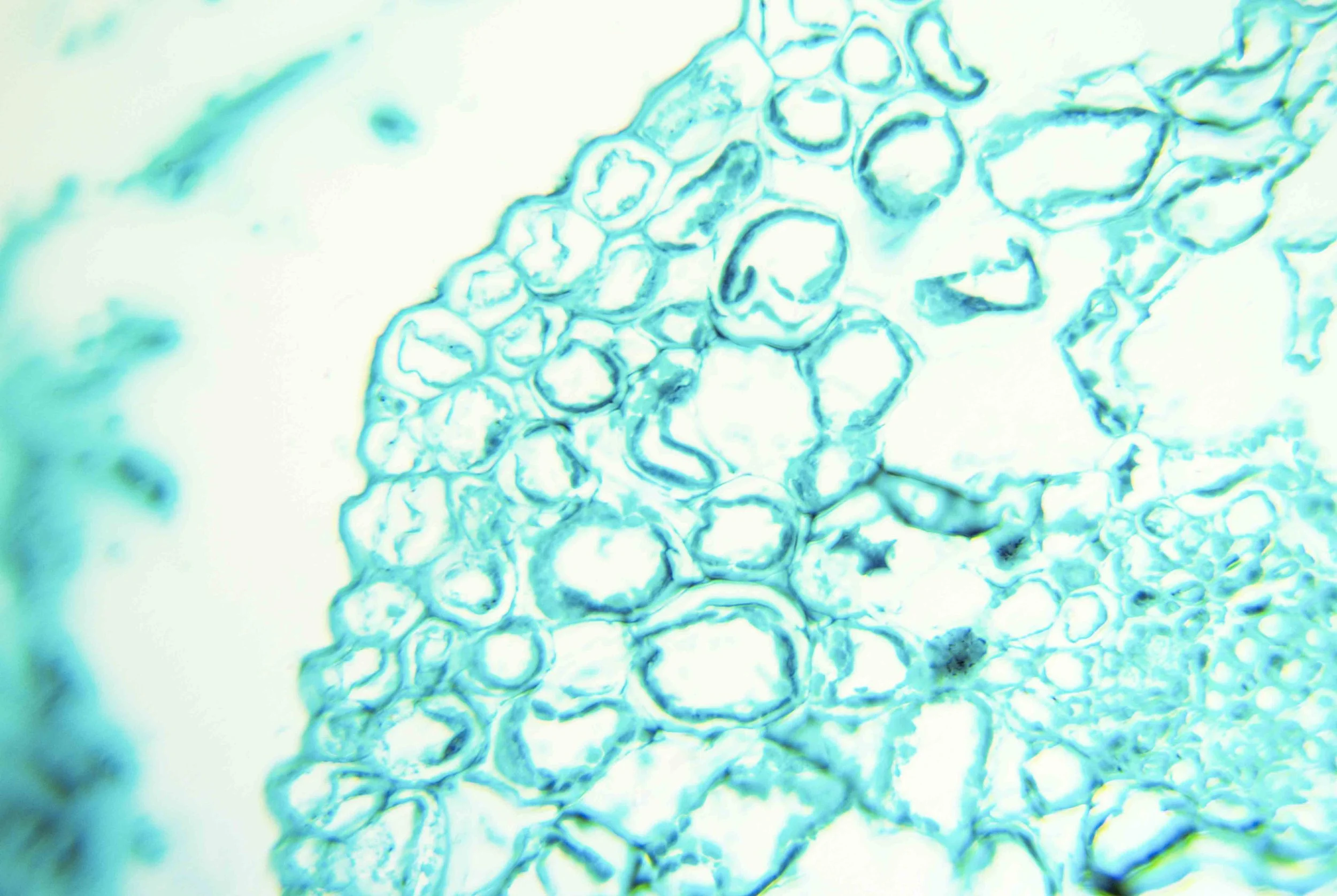
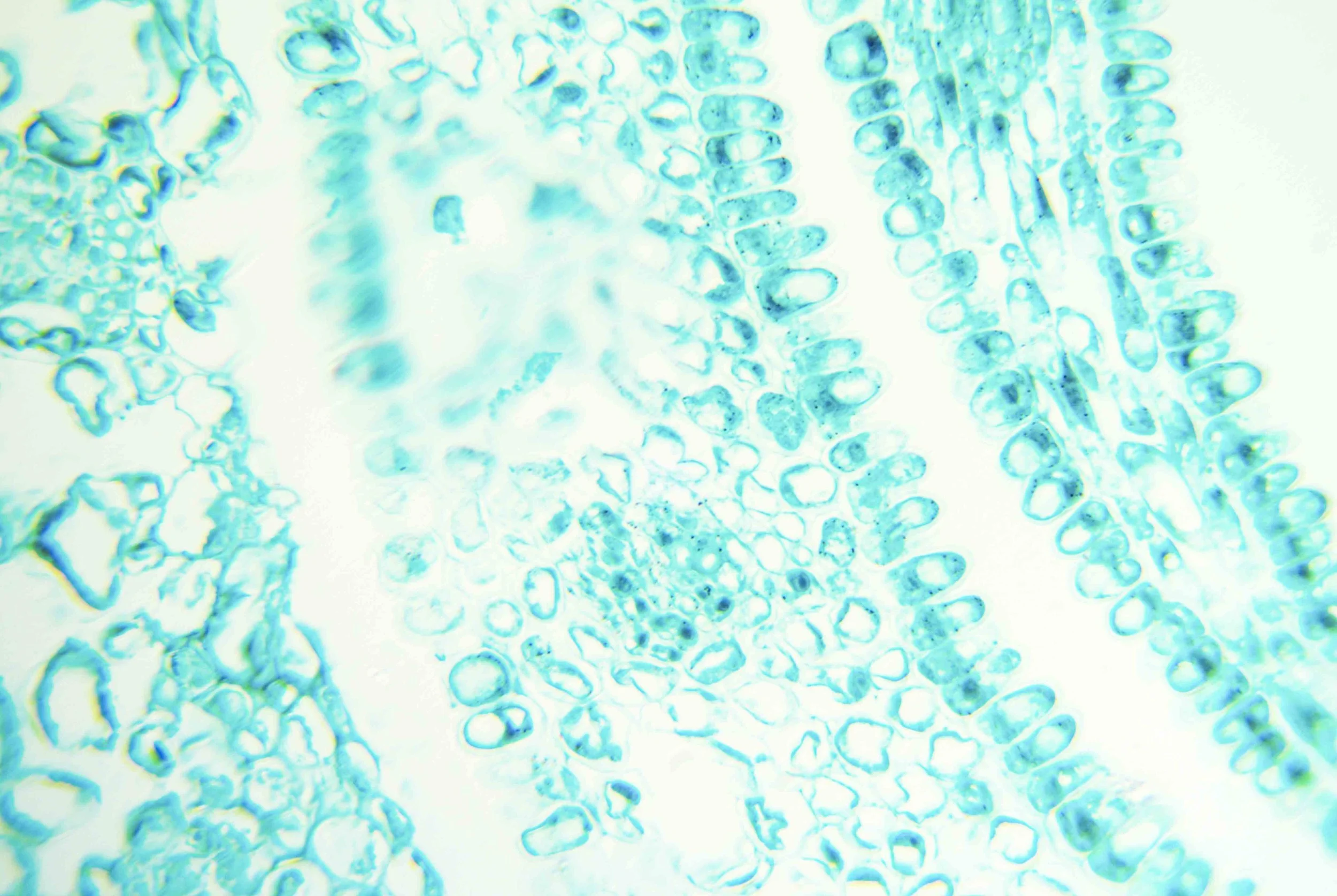
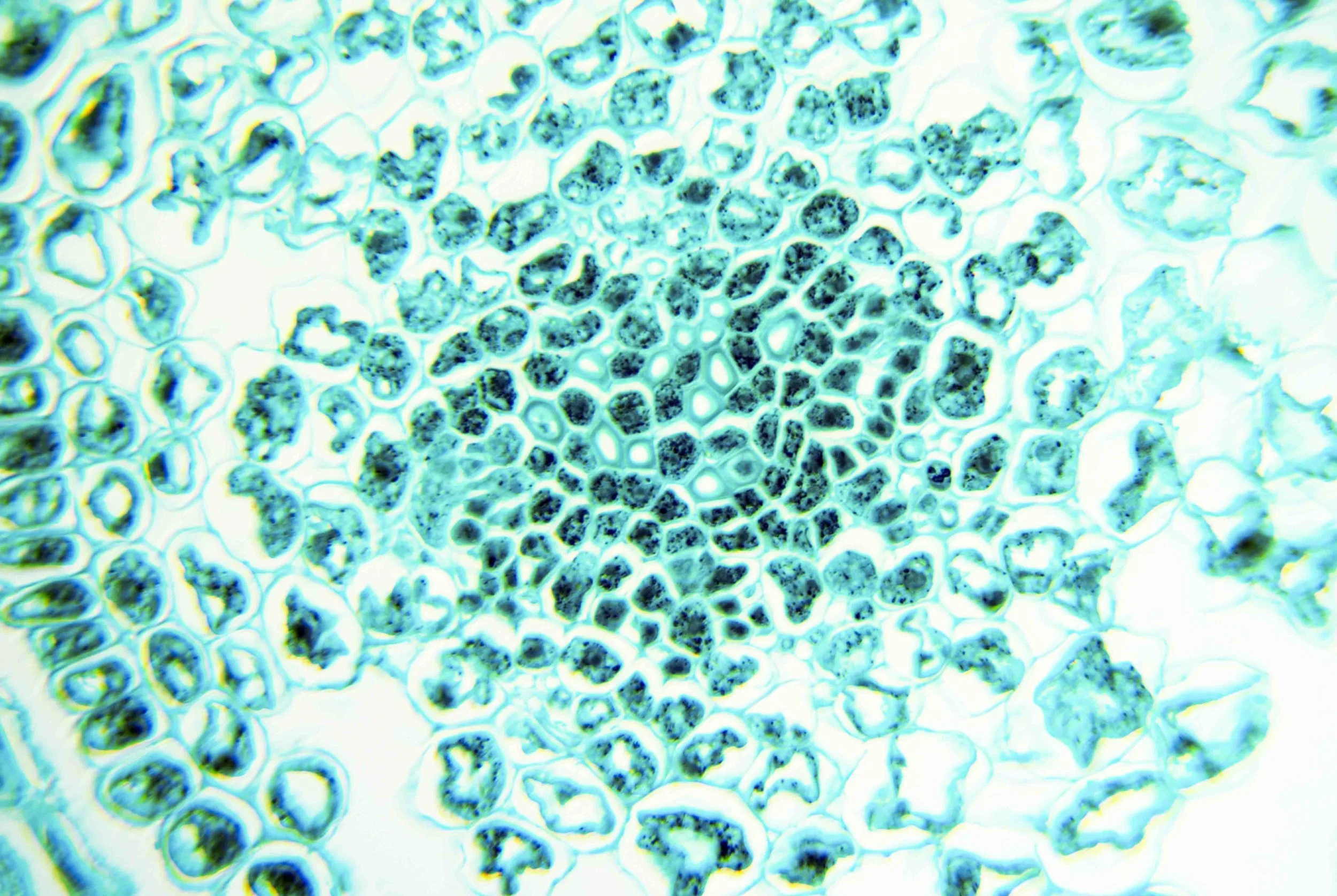
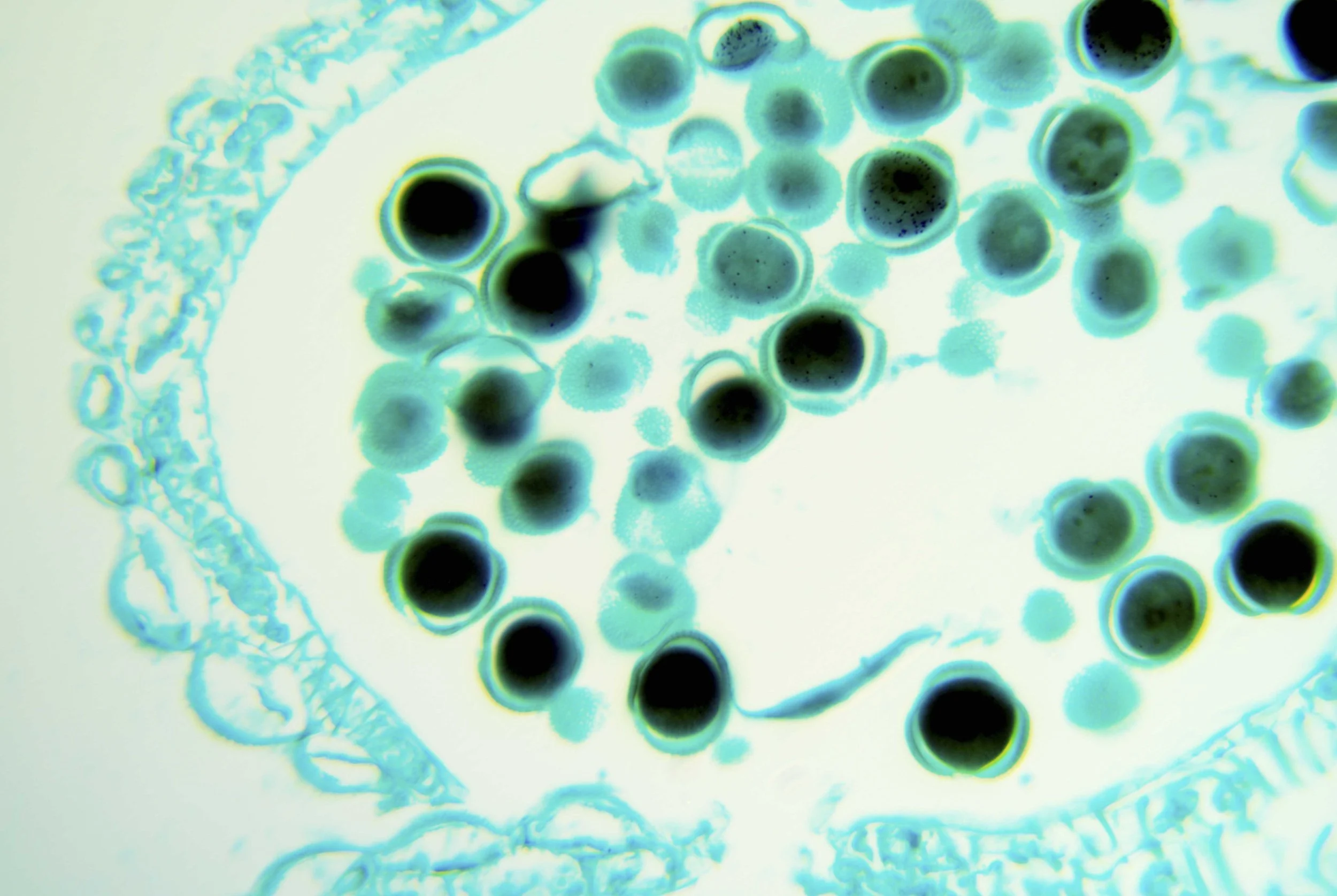
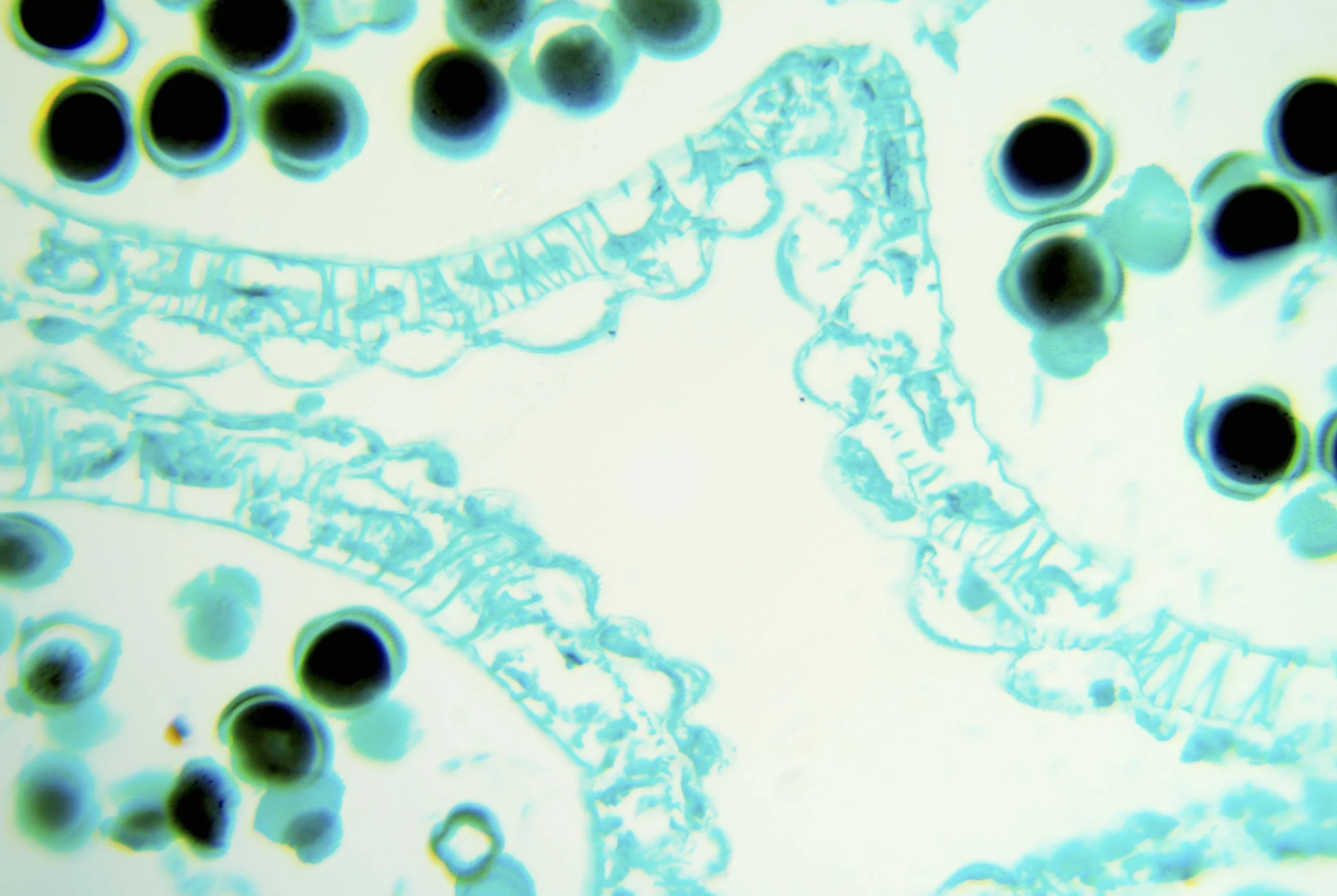
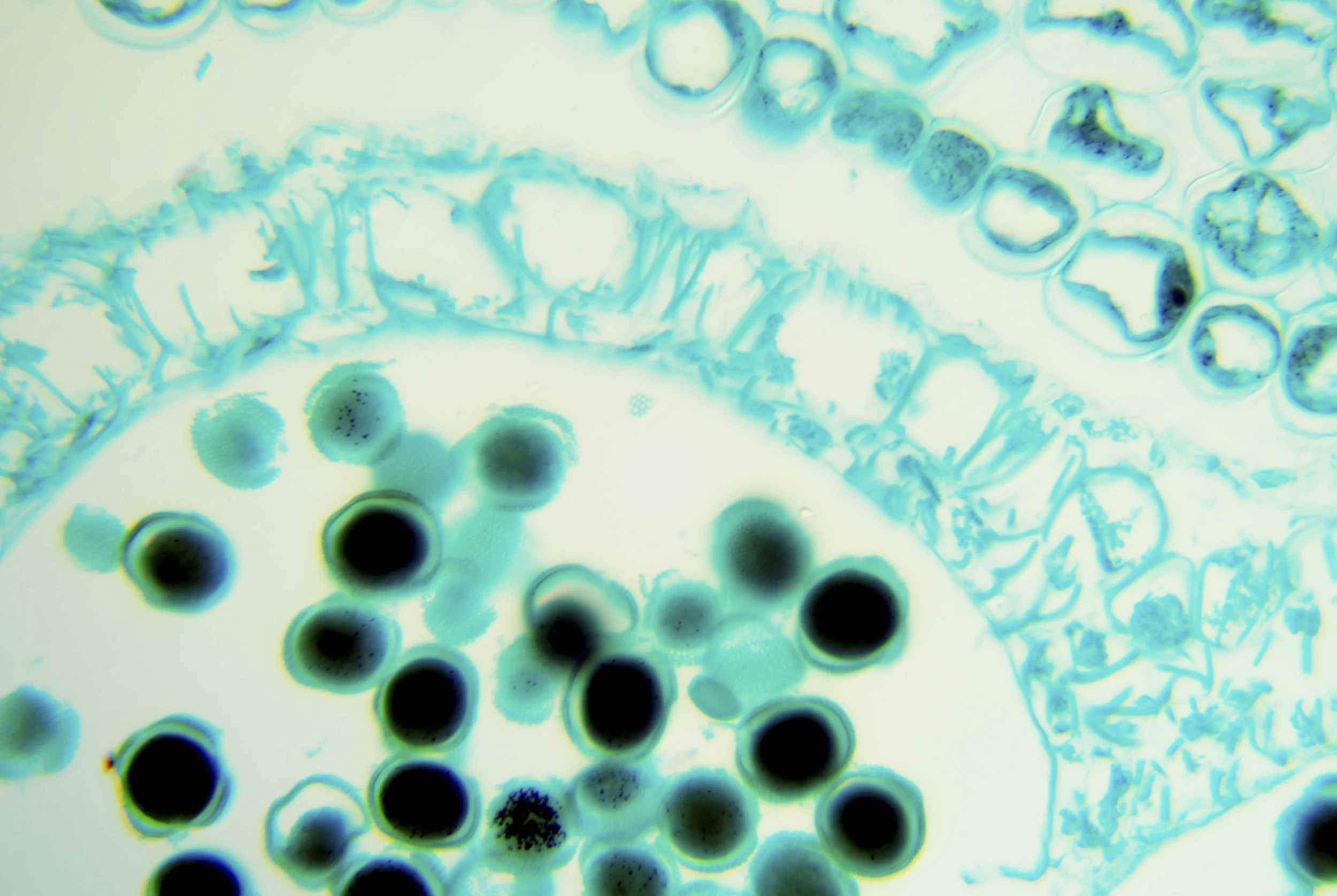
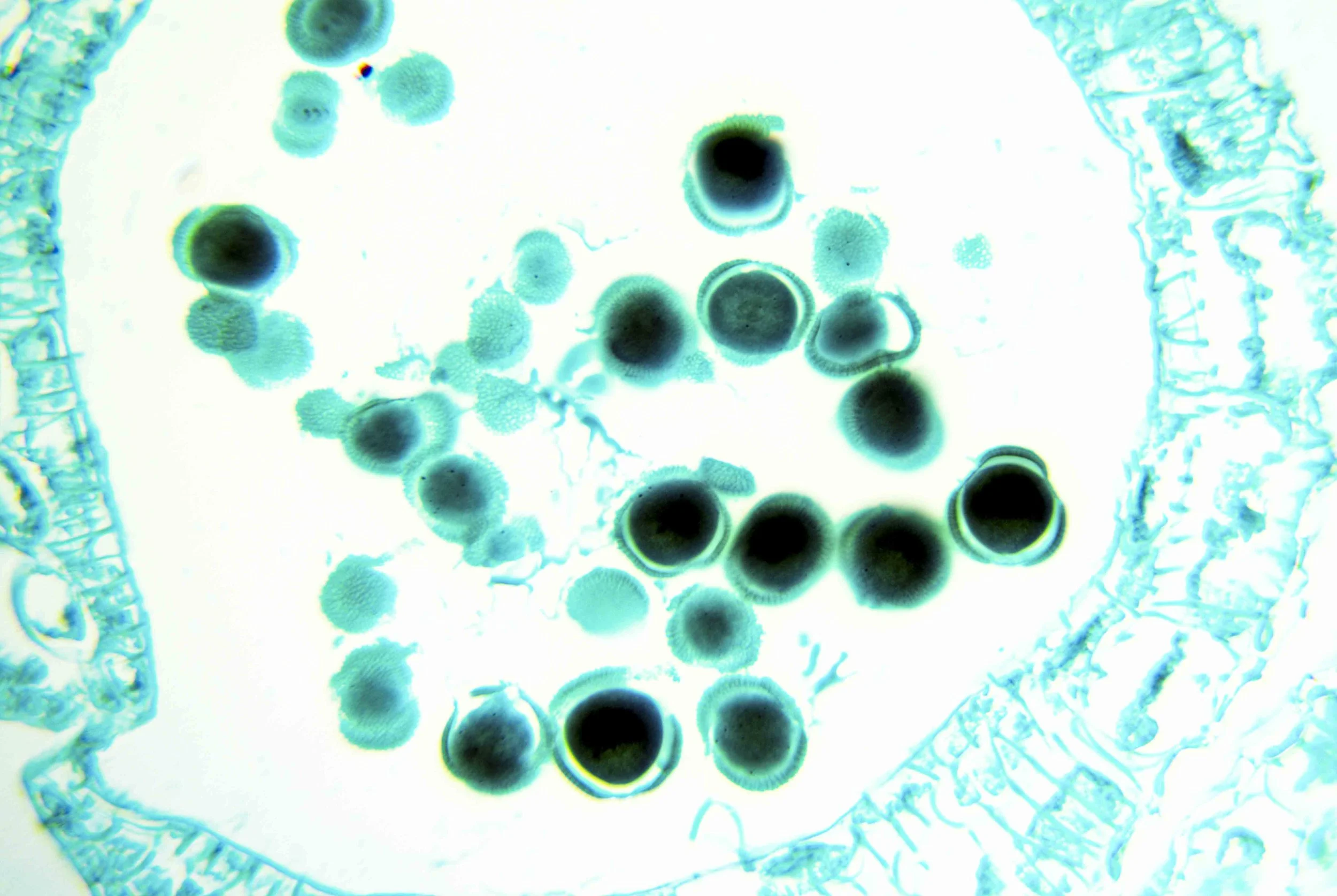
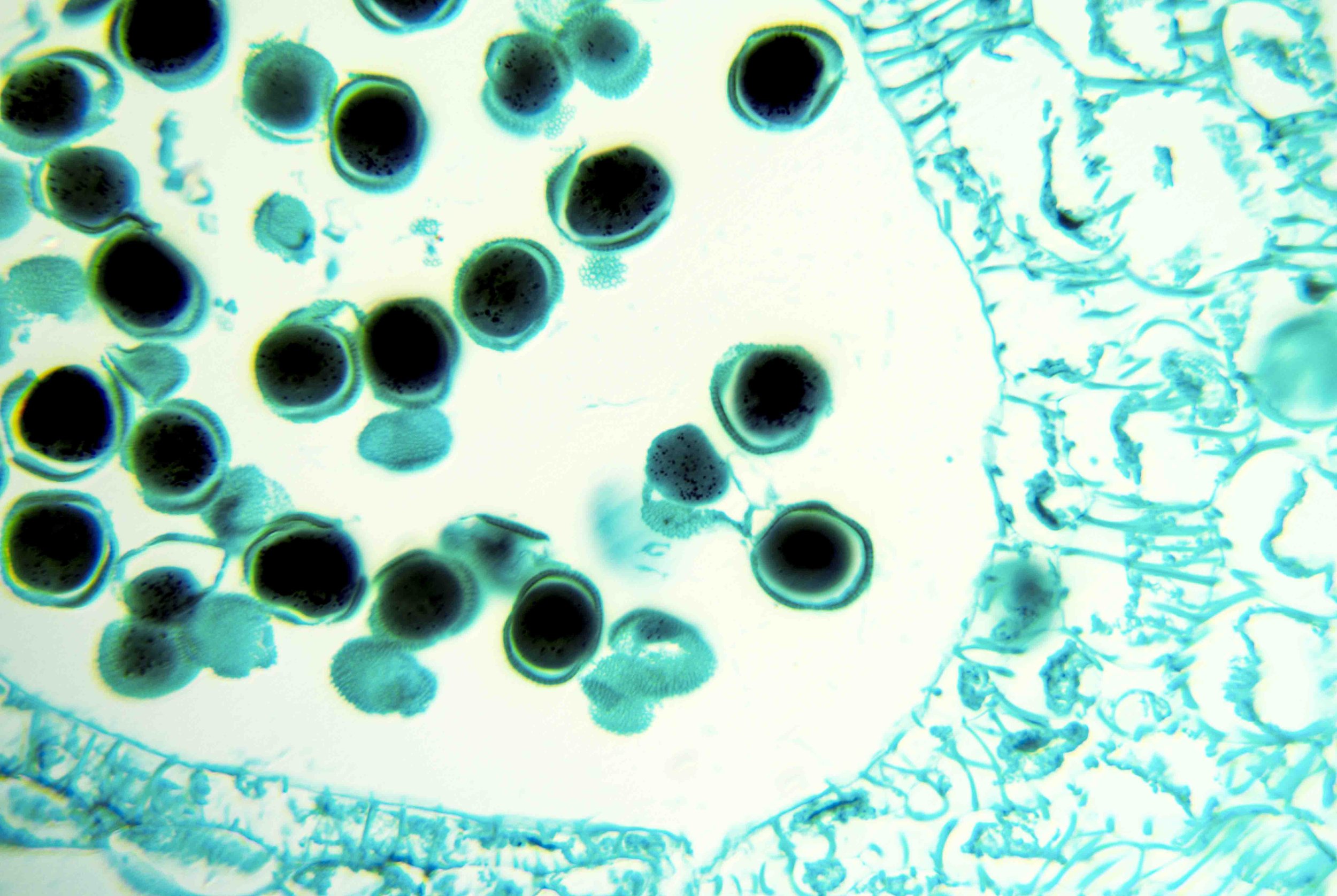
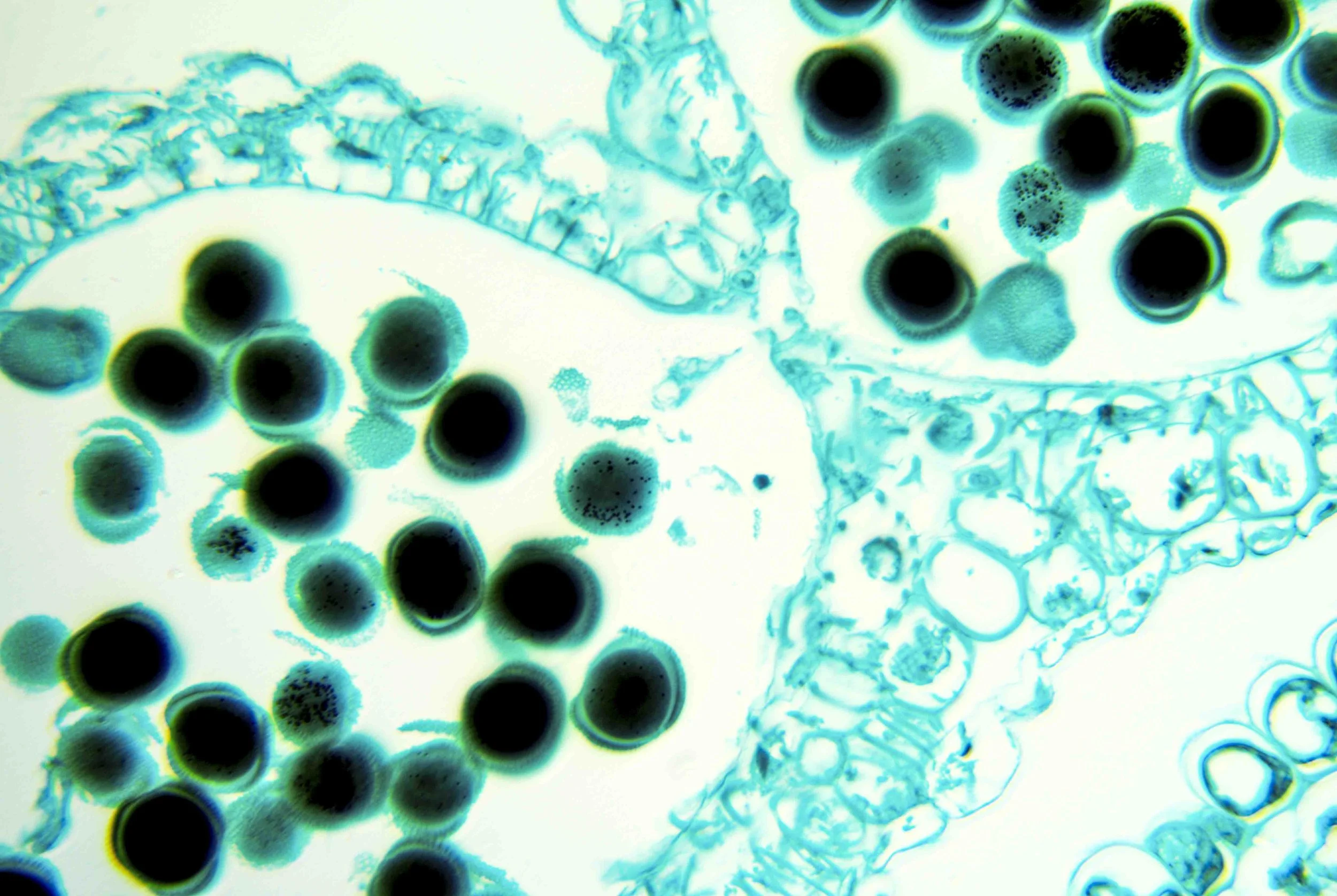
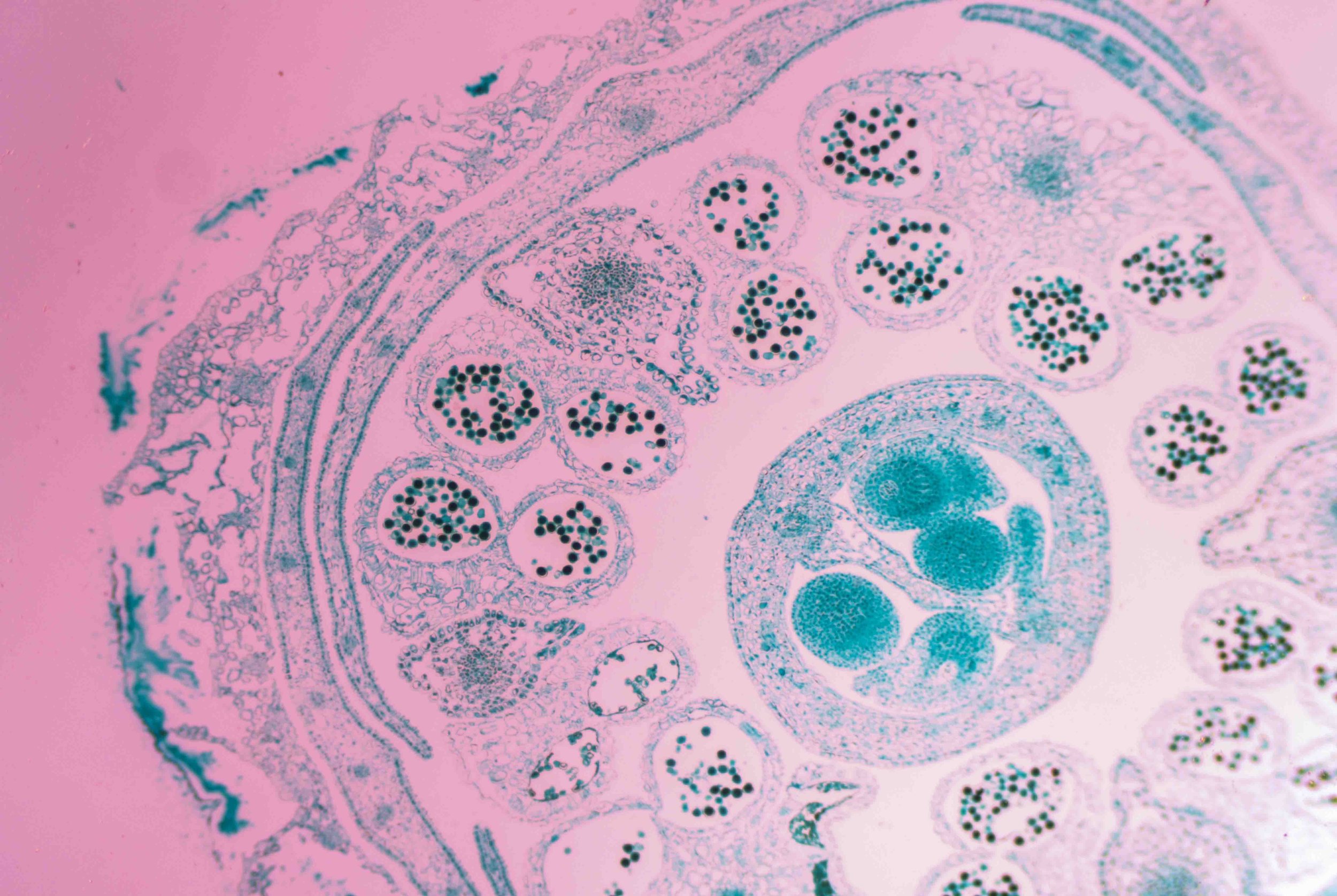
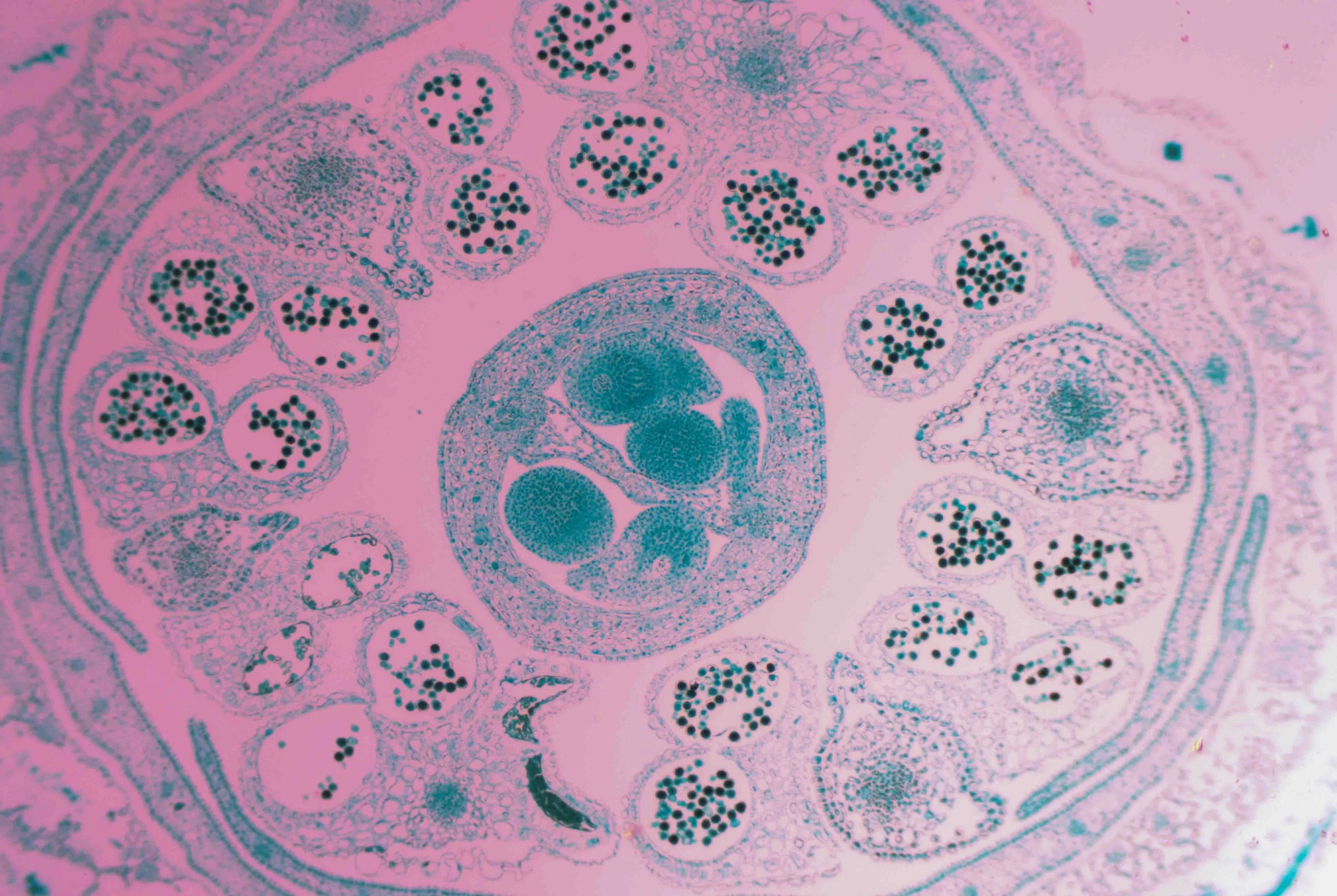
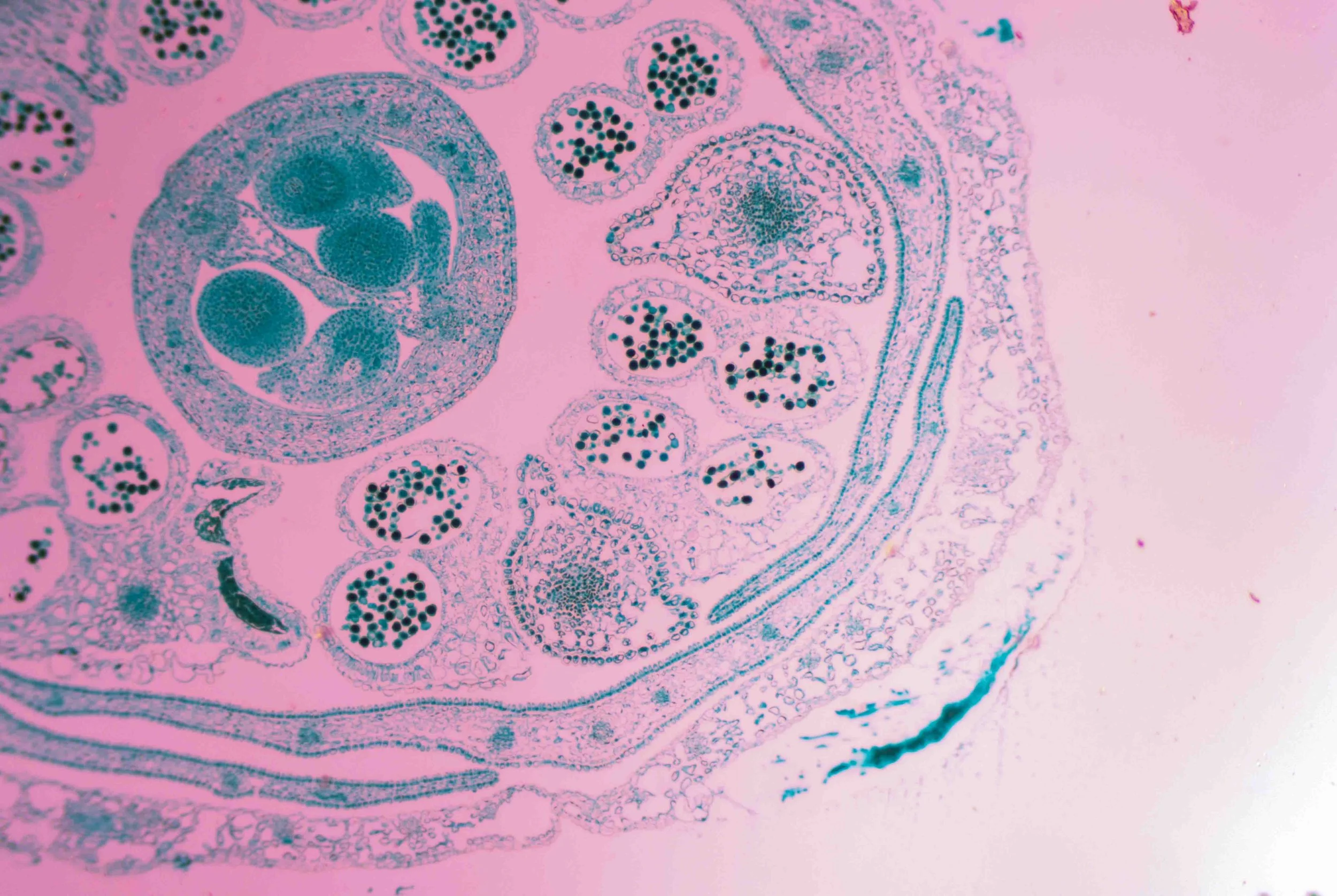
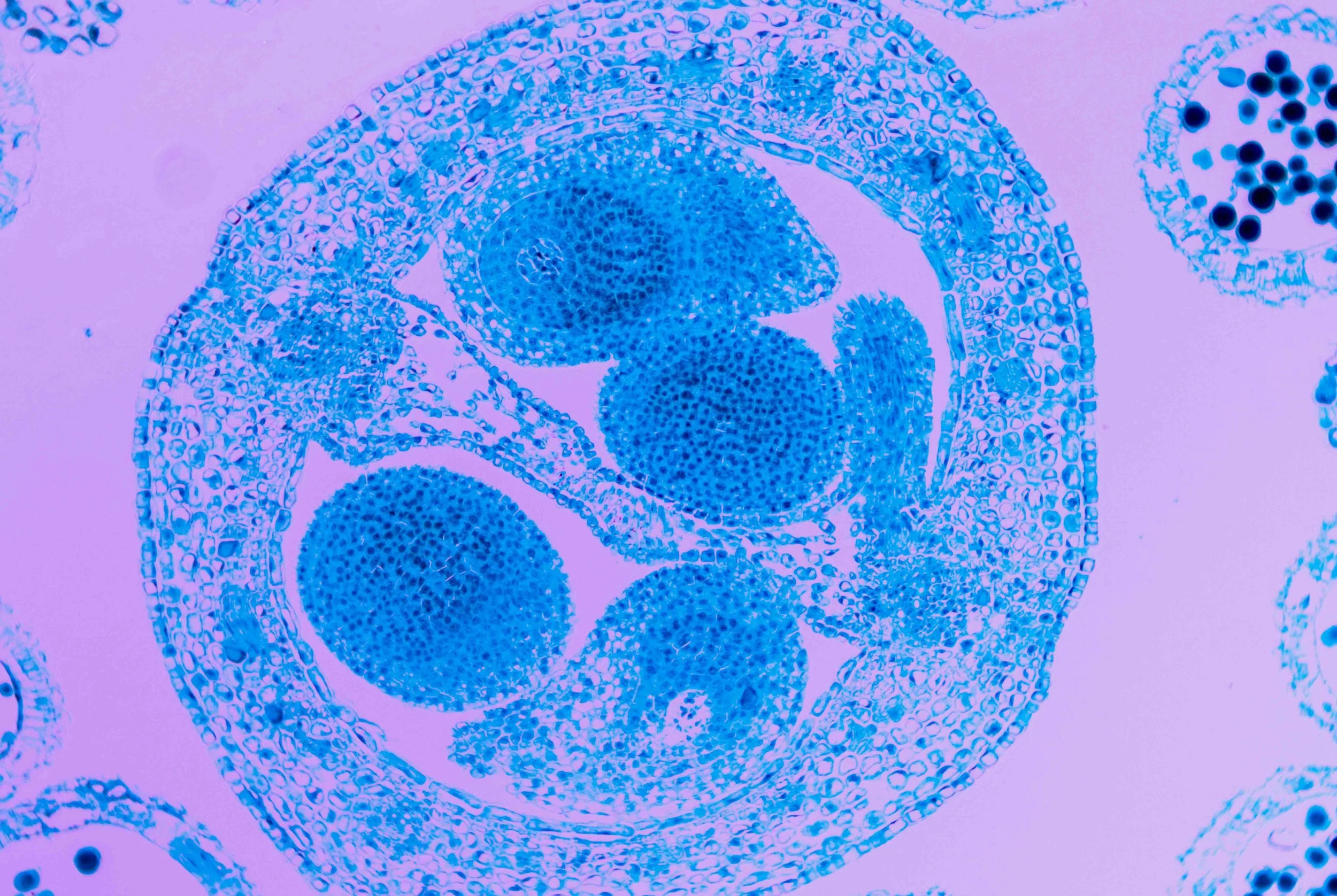
The sections revealed through magnification expose a hidden universe of order and energy: the internal machinery that allows the plant to flower, reproduce, and ultimately become one of the most important agricultural crops on Earth.
What makes these images especially captivating is the interplay between softness and rigidity: thickened cell walls trace bright borders around delicate inner tissues; seeds cluster like constellations within their chambers; and the entire capsule becomes a micro-landscape of curves, lattices, and repeating motifs.
The rapeseed plant, so familiar in its field form, becomes an abstract world of patterns and shapes, inviting the viewer to look closer and appreciate the hidden choreography that drives plant life.
Up close, agriculture becomes art. The rapeseed plant becomes a cathedral of cells and seeds, each one a testament to nature’s ability to combine beauty, function, and structure.
Beneath the microscope, it is not just a crop but a microcosm of evolution, growth, and quiet engineering—an entire universe contained within a single delicate pod.